One of the biggest misconceptions about being an artist is the idea that successful artists make successful work on the first try. I talked about this a few weeks ago and I’ll probably talk about it a million more times in the future because it’s simply not the reality I’ve experienced.
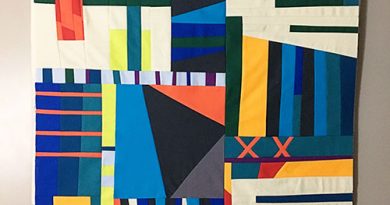
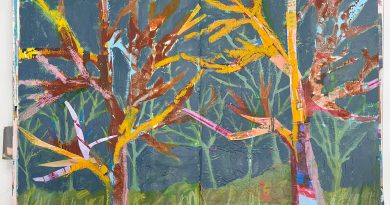
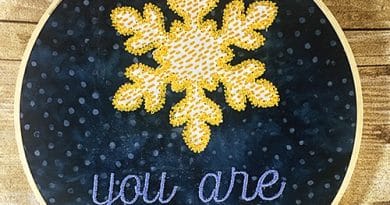
When I look back over the major pieces I’ve sold in the last five years, almost all of them have been reworked. Here are a few examples:
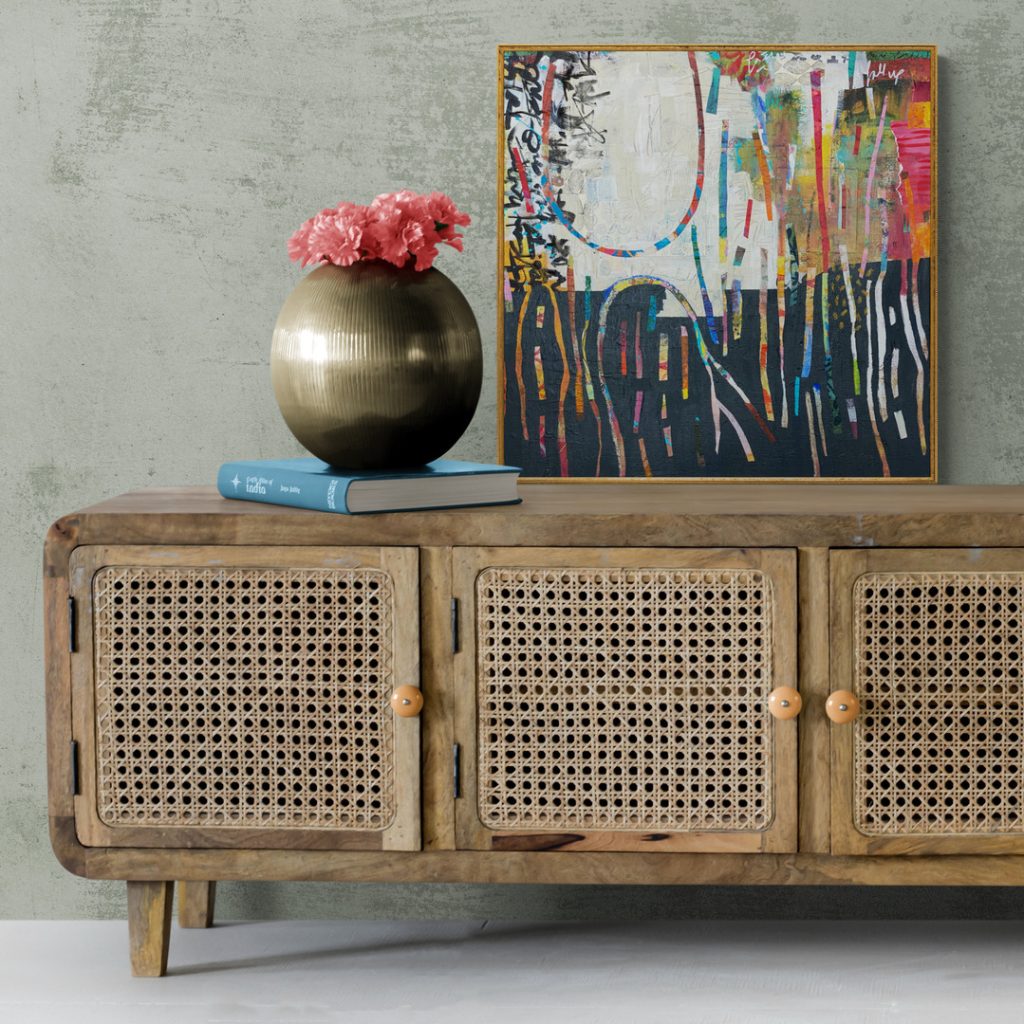
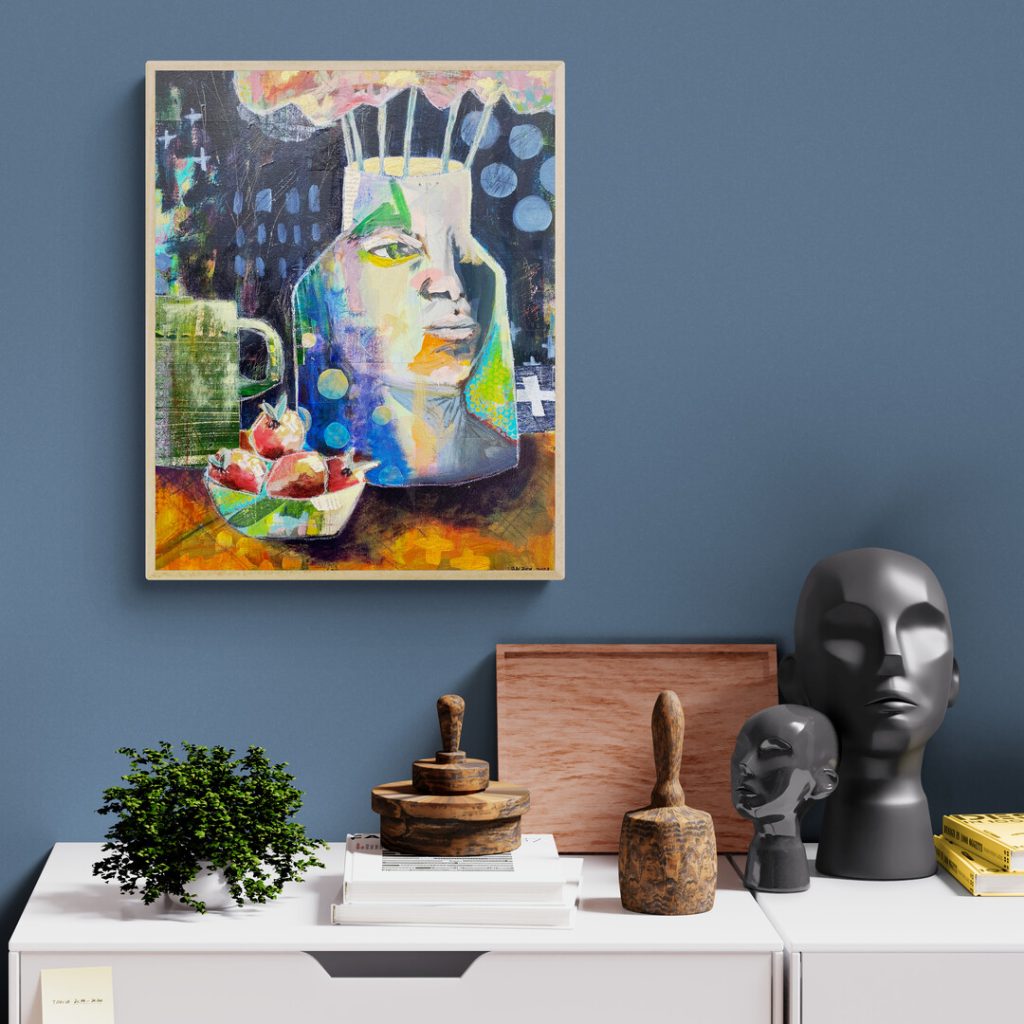
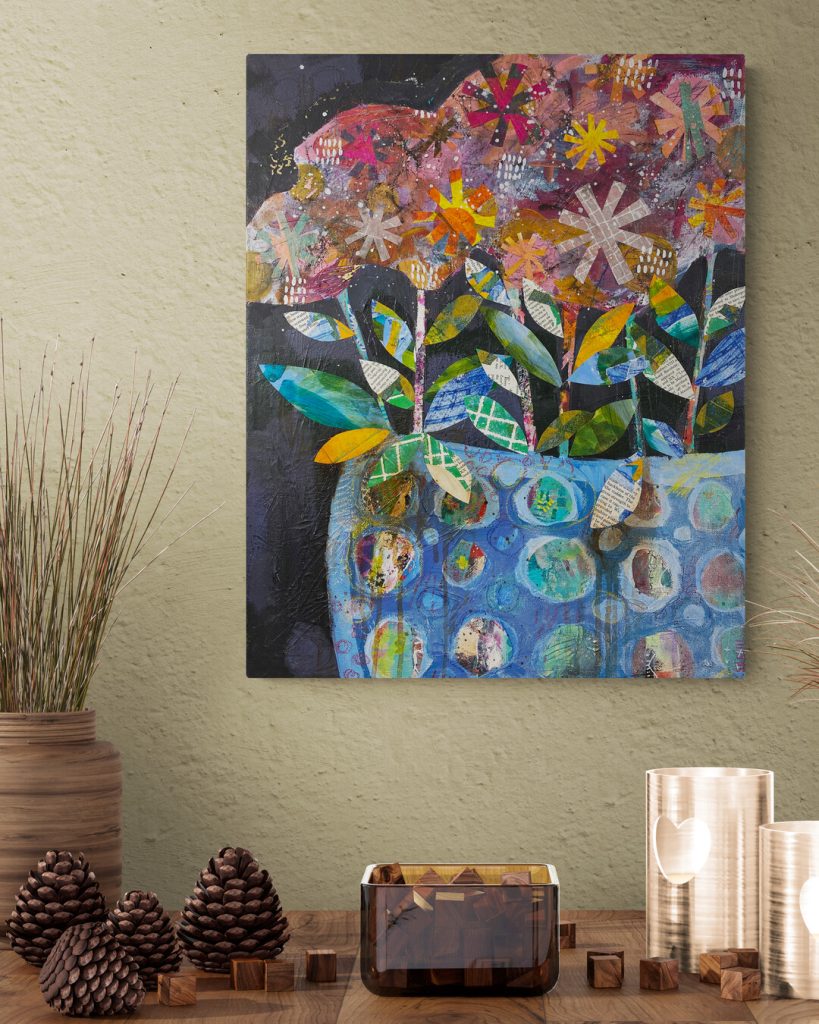
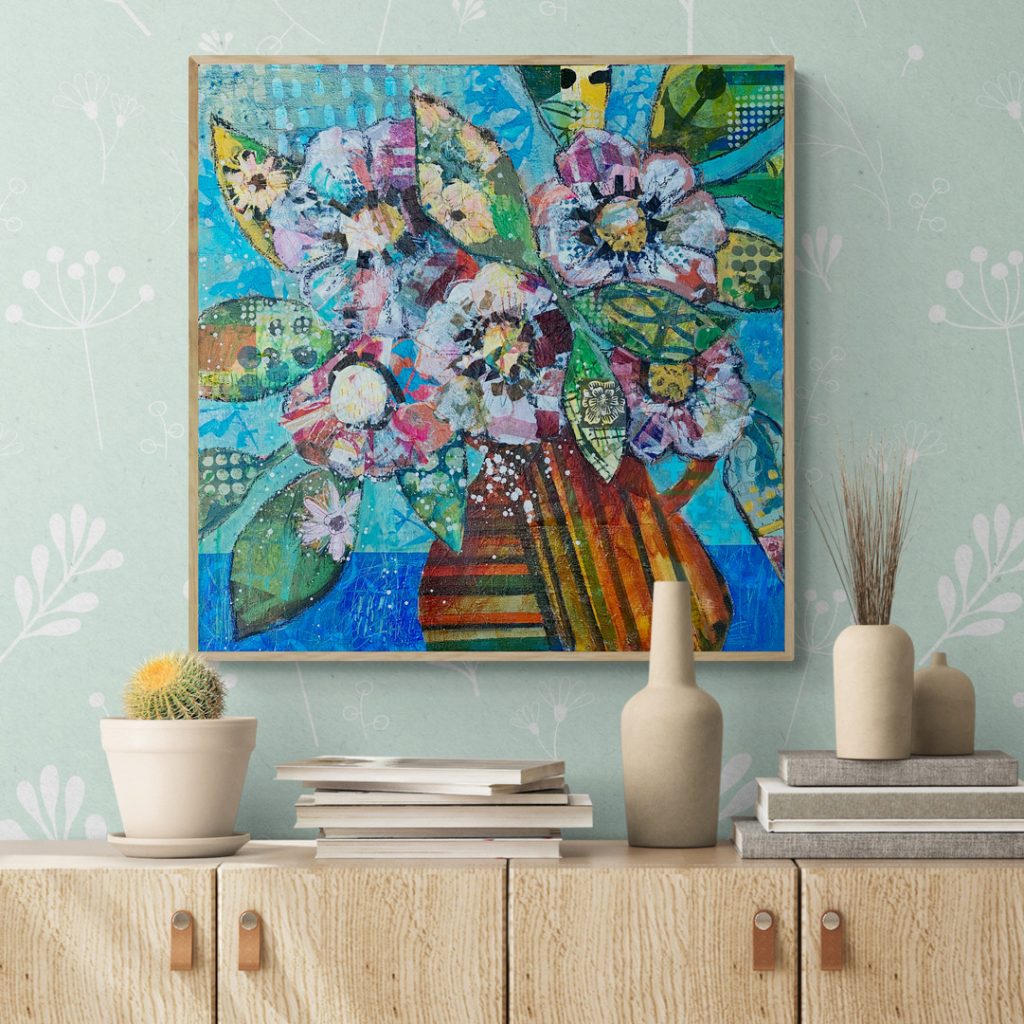
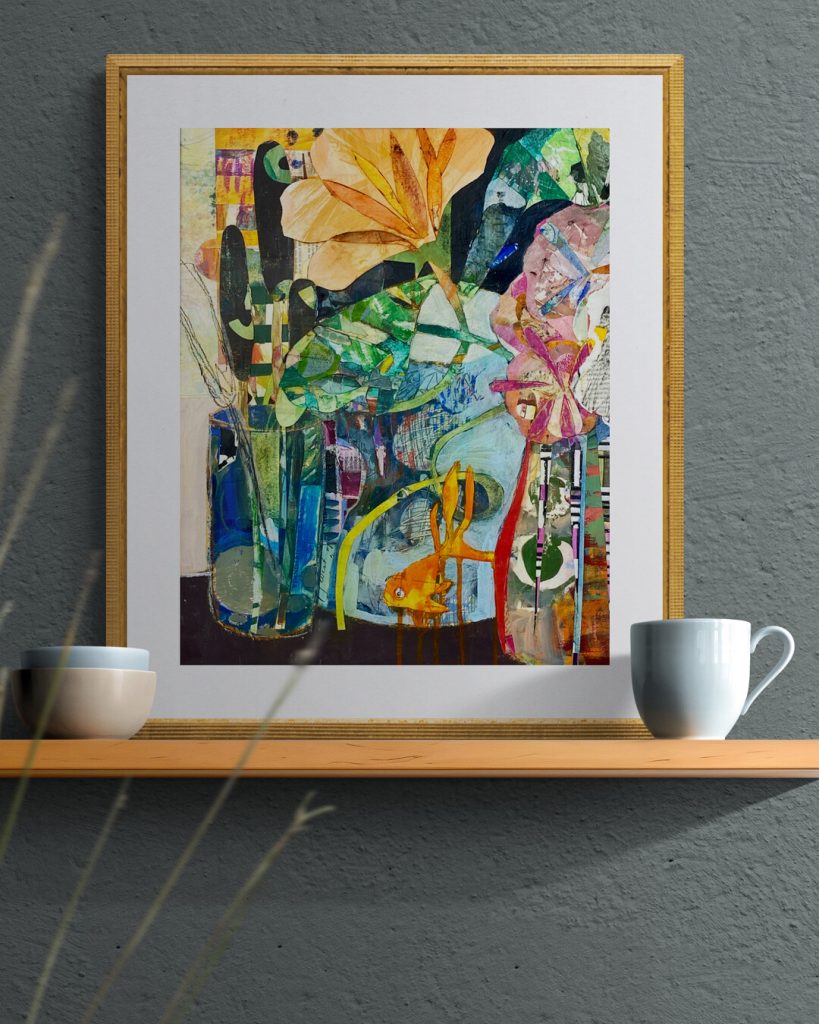
Some of them have been reworked many times. I’ve painted over them, collaged into them, cut them apart, changed the composition, altered the palette, and completely shifted the direction of the piece long after I originally thought I was “done.”
A Mindset Shift
At this point, I no longer think of reworking as fixing failed art. Rather, reworking is a core part of my practice. I don’t need to fear failure because I know that failure isn’t an end point. It’s just a stage along the way.
I think there’s a tendency to imagine artmaking as a straight line: you begin a piece, you work on it, you finish it, and then it remains permanently fixed in that final form. But that has never really reflected my experience in the studio. My work tends to evolve slowly. Sometimes very slowly.
Time is an Art-Making Ingredient
No artwork is garbage to me. There’s always a way to rethink it, remake it, resurrect it. But, I need time to learn, to change, to get some distance because:
- Sometimes I don’t know how to fix it.
- Sometimes I love it when I make it, but no one else does and I can’t understand why.
- Sometimes I’m missing the skills to fix it.
- Sometimes I can feel that there is something interesting happening in the work, but I don’t know how to finish it.
- Sometimes I’m frustrated and need a break.
Whatever the reason, I put it aside. Not as a failure, but as something unfinished to revisit later.
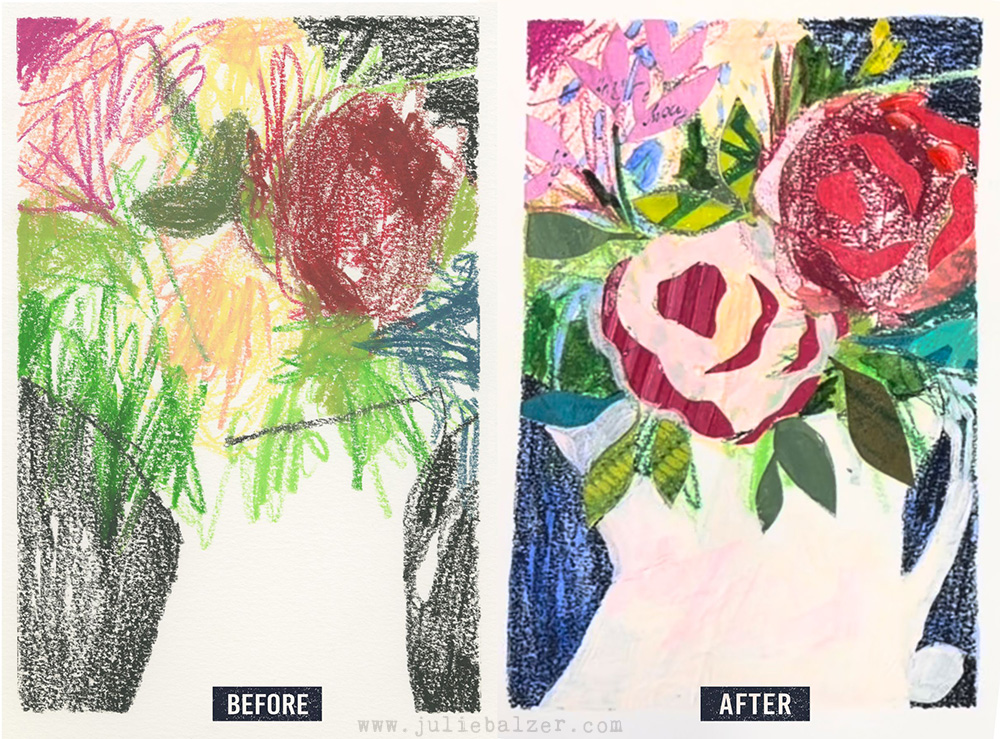
I think time is one of the most underrated tools an artist has.
When I return to older work, I return with more experience, more technical knowledge, and usually a clearer understanding of what I actually care about visually. Distance allows me to see the work differently. I can separate what I intended from what is actually there on the page or panel.
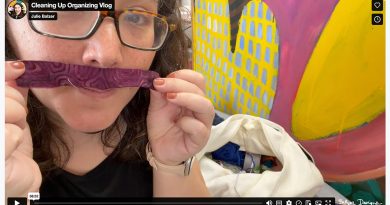
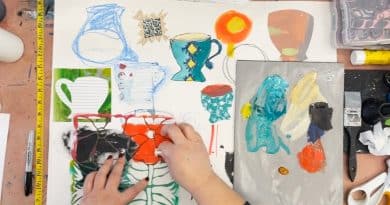
Very often, I discover that there was something compelling in the original piece all along. It simply needed editing, contrast, structure, or a different context in order to fully emerge. Watch the video for more:
The Process of Revision is a Process of Layering
The process of revision feels deeply connected to how I understand creativity in general. It’s iterative and accumulative. When I rework a piece, those earlier decisions don’t disappear completely. They remain underneath the surface. You can often see traces of older marks, textures, colors, or compositions. I love that accumulation. I think it gives the work a sense of history and complexity that would be impossible to create intentionally in a single sitting. It’s one of the many reasons that I love collage! That collage paper brings so much depth and character to the work.
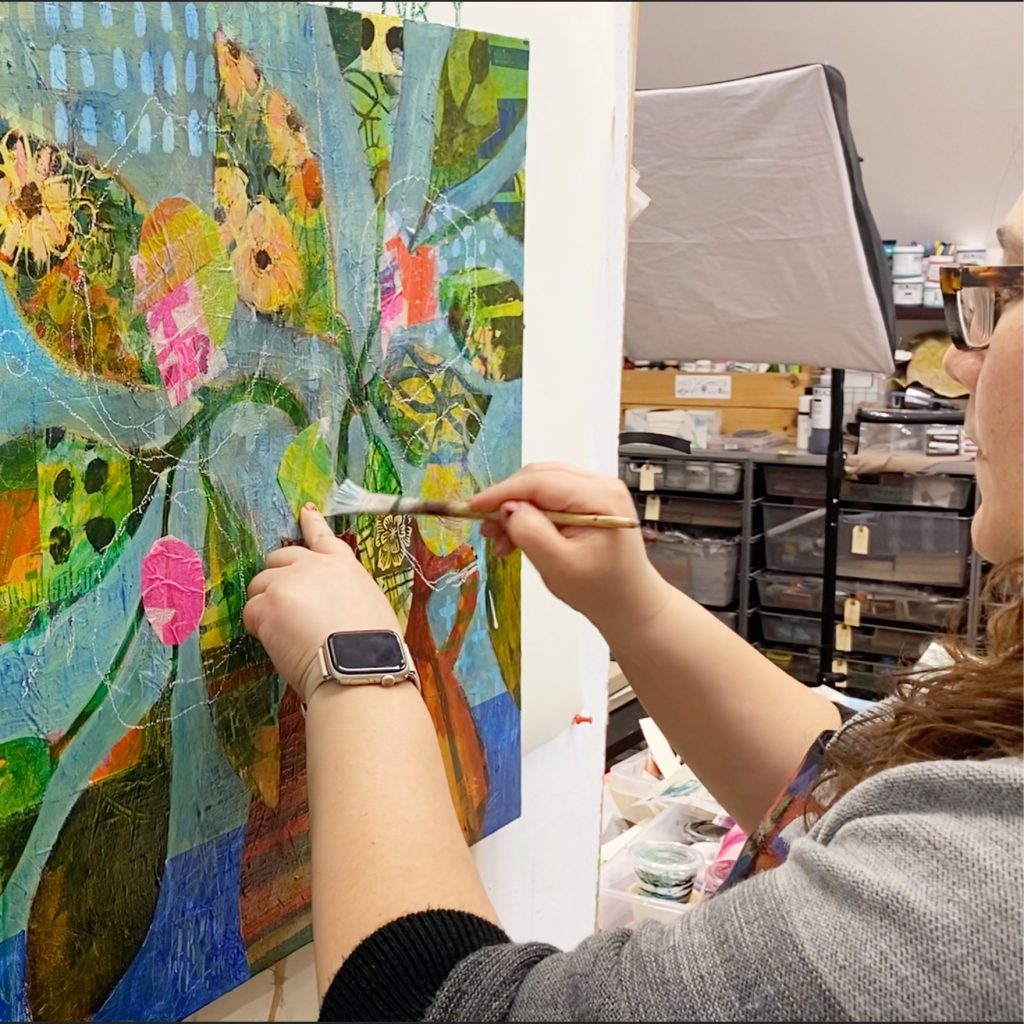
There is also something psychologically important about reworking art. It requires letting go of the idea that artwork must be preserved in its current state. Sometimes the only way forward is to paint over the section that took hours to make. Sometimes you have to cut into a piece that is “fine” in order to give it the chance to become something much better.
That can feel uncomfortable. But it is also incredibly freeing: the more willing I am to change a piece, the more alive the work becomes.
I think this mirrors life rather beautifully. We are not fixed. We are constantly changing, rethinking, revising, and becoming. Why shouldn’t our artwork do the same?
In Conclusion
So if you have old work tucked away somewhere — paintings you abandoned, drawings you never resolved, collages that almost worked — I would encourage you to look at them again.
Sometimes the work isn’t bad. It’s simply waiting for the artist you are now.
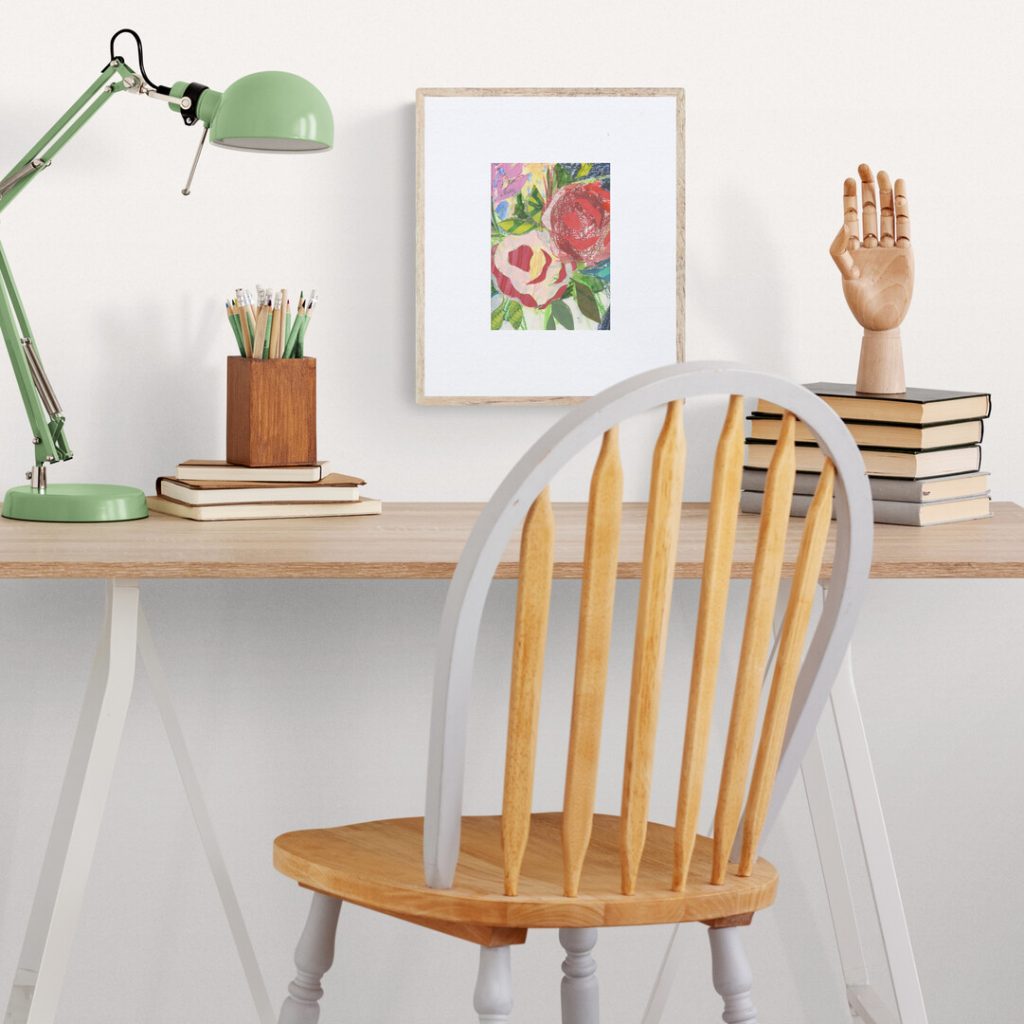
If you’re interested in purchasing the piece from the video (or any other work), please visit my online shop.
Thanks for stopping by!