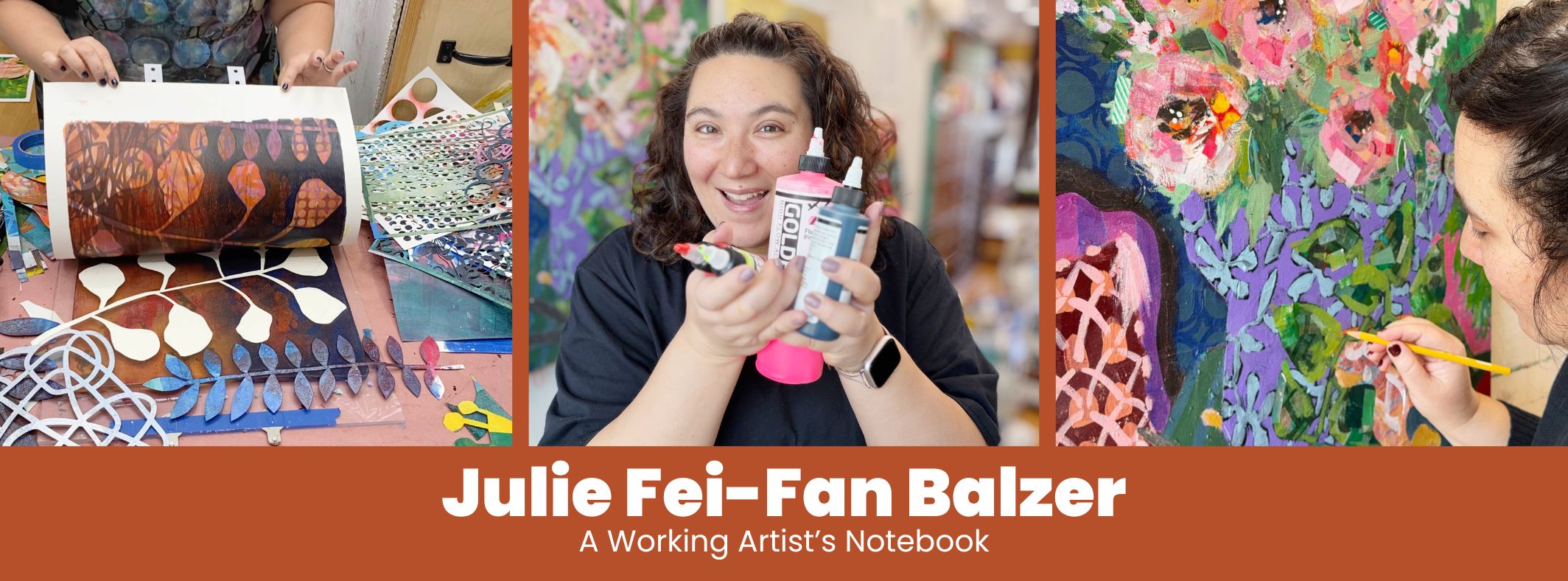
I’m an art teacher, an art coach, an art mentor and I push every student and client to experiment as a way of fomenting artistic growth.
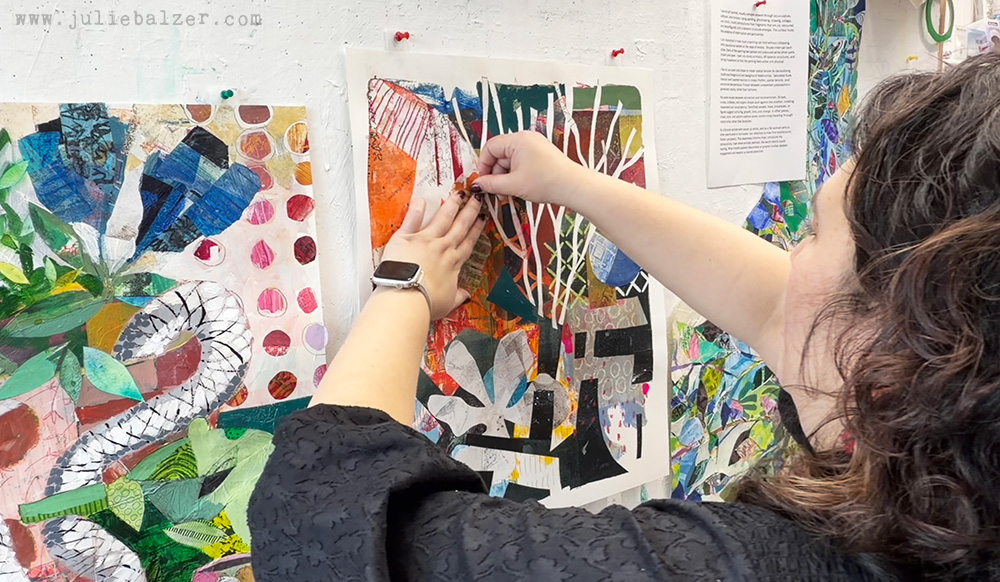
That said, experimentation in art can sound big and dramatic and scary. Like you’re supposed to radically change your materials, or start working in a completely new way, or take on some ambitious project where everything is uncertain. If you’re already unsure of yourself, it’s easy to talk yourself out of it before you even begin.
What I’ve found is a more useful way of experimenting. It’s smaller and less risky. I call it: micro-experiments. I’m sure I’m not the first or only person to come up with this, but it’s a notion that really works.
What is a Micro-Experiment?
A micro-experiment is a tiny shift inside something you’re already doing. It’s not a big commitment.
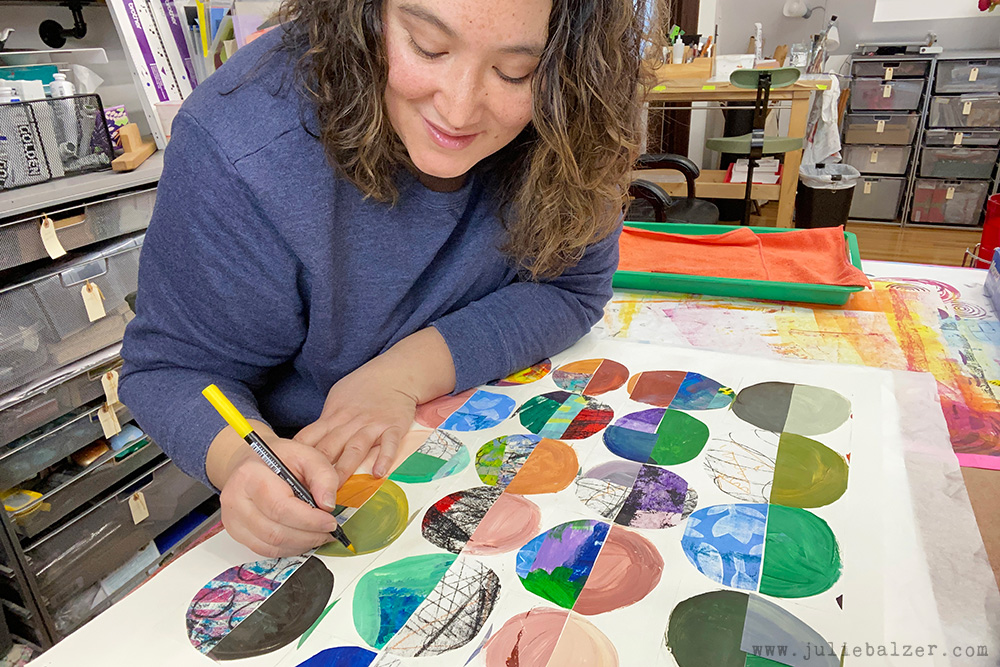
It’s not a new direction. It’s just a question you ask while you’re working, such as:
- What happens if I add just one more color?
- What happens if I don’t mix it this time?
- What happens if I move the surface instead of the tool?
- What happens if I only do this halfway?
- What happens if I repeat this step twice instead of once?
- What happens if I use less than I think I need?
- What happens if I let it sit longer before I touch it again?
- What happens if I switch the order of these two steps?
- What happens if I use the “wrong” tool for this?
- What happens if I stop trying to control the outcome?
None of those questions require courage in the heroic sense. They don’t demand a leap. They’re small enough that you can try them without overthinking it.
A Micro-Experiment Example
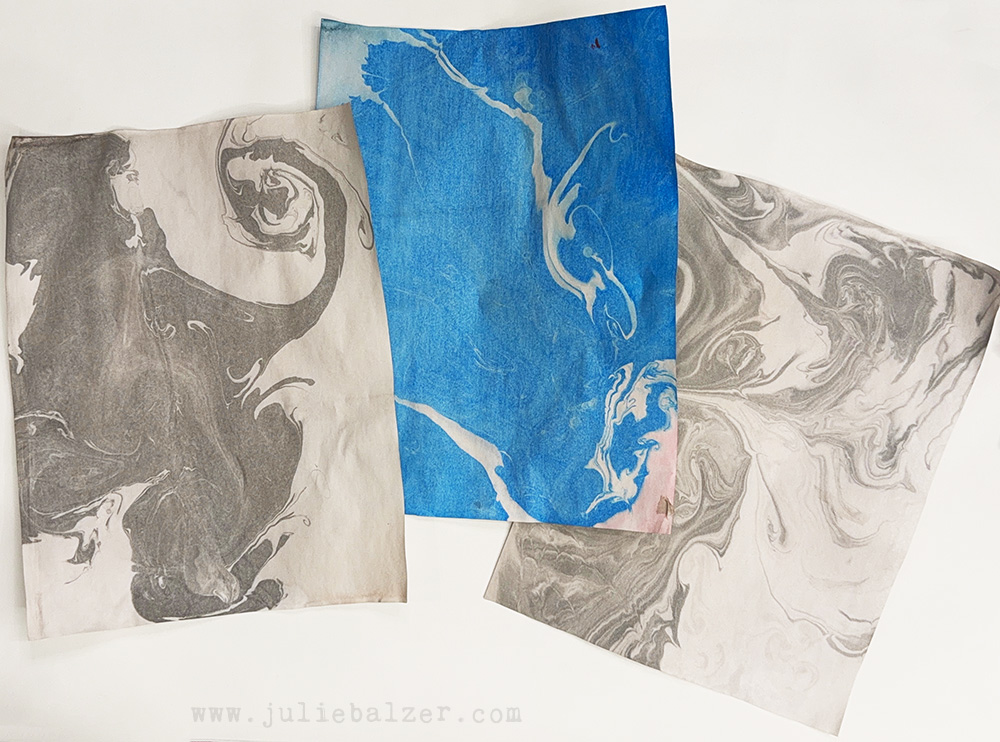
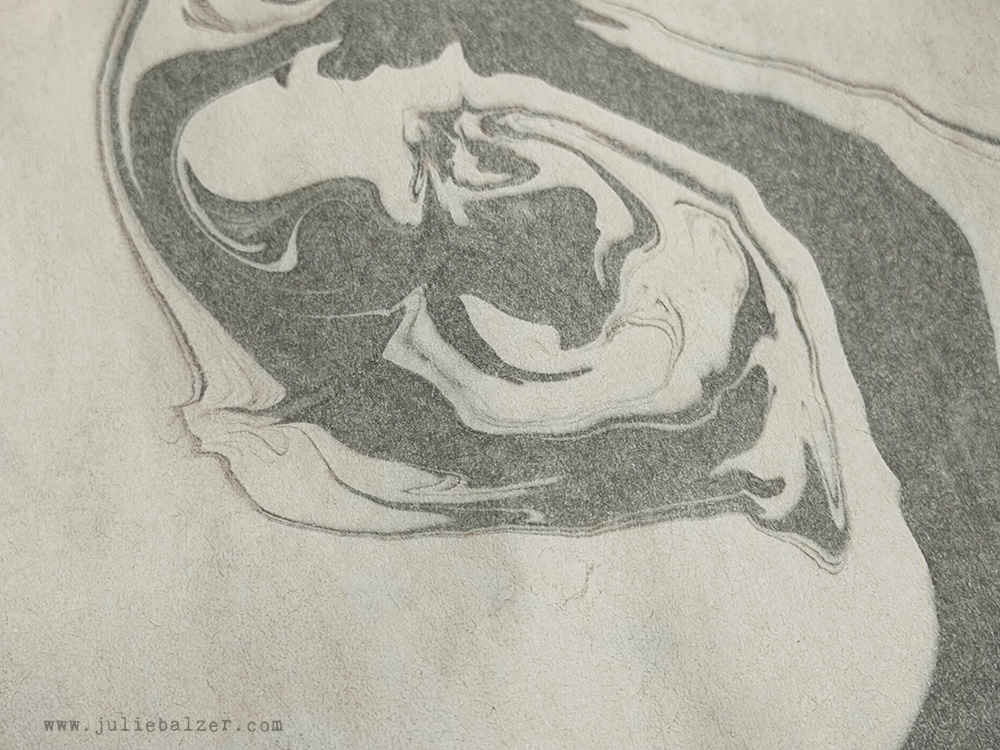
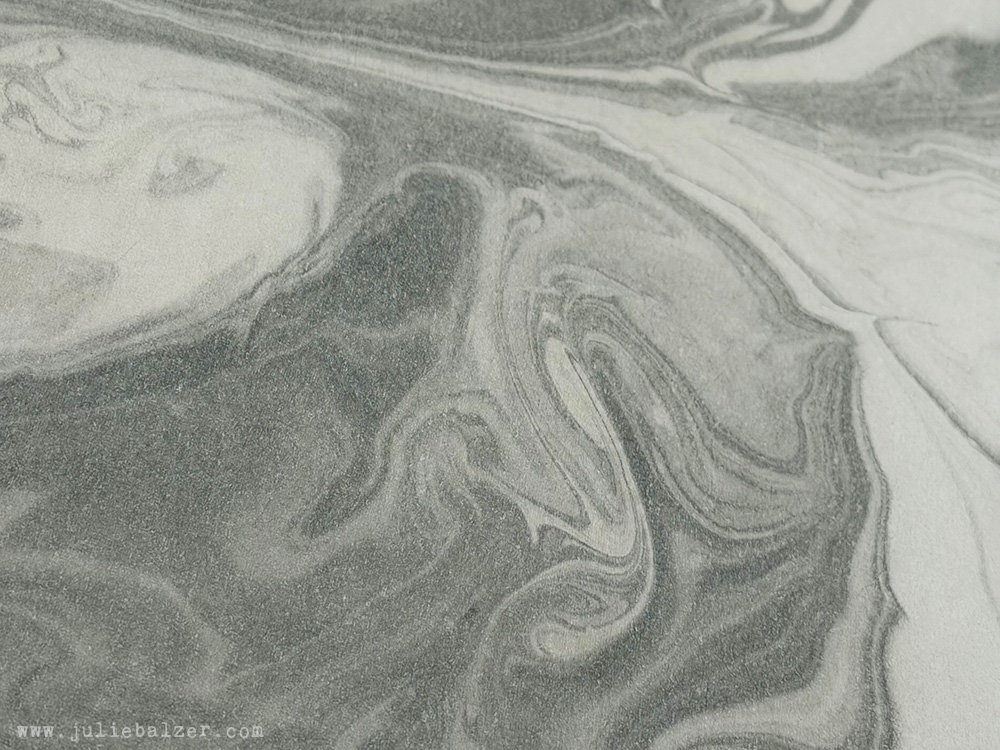
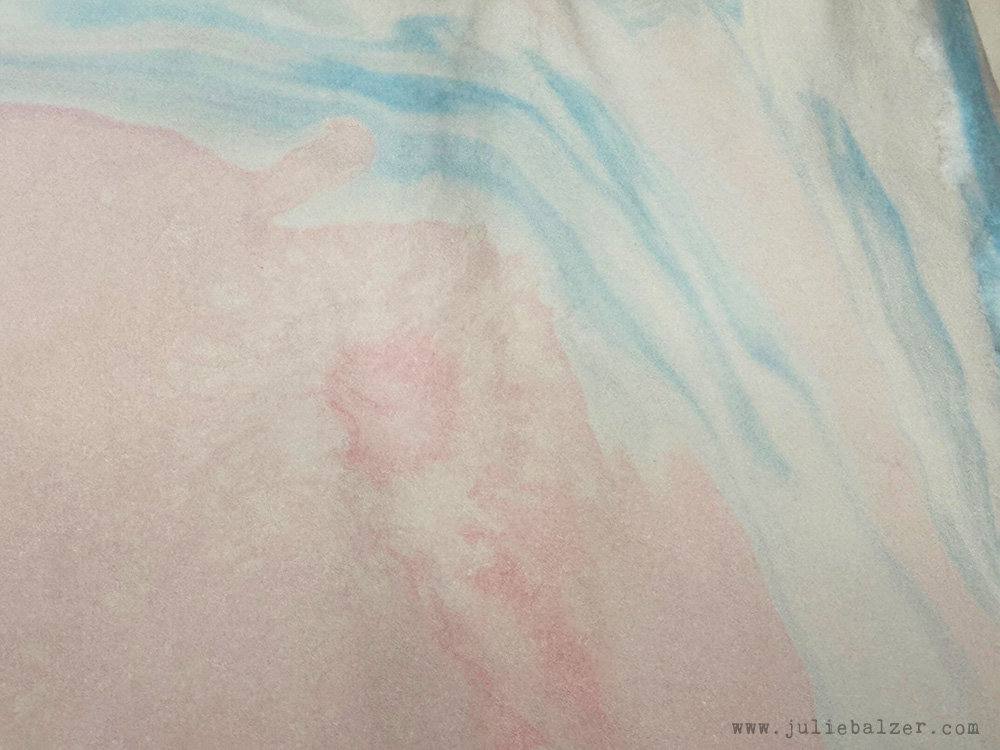
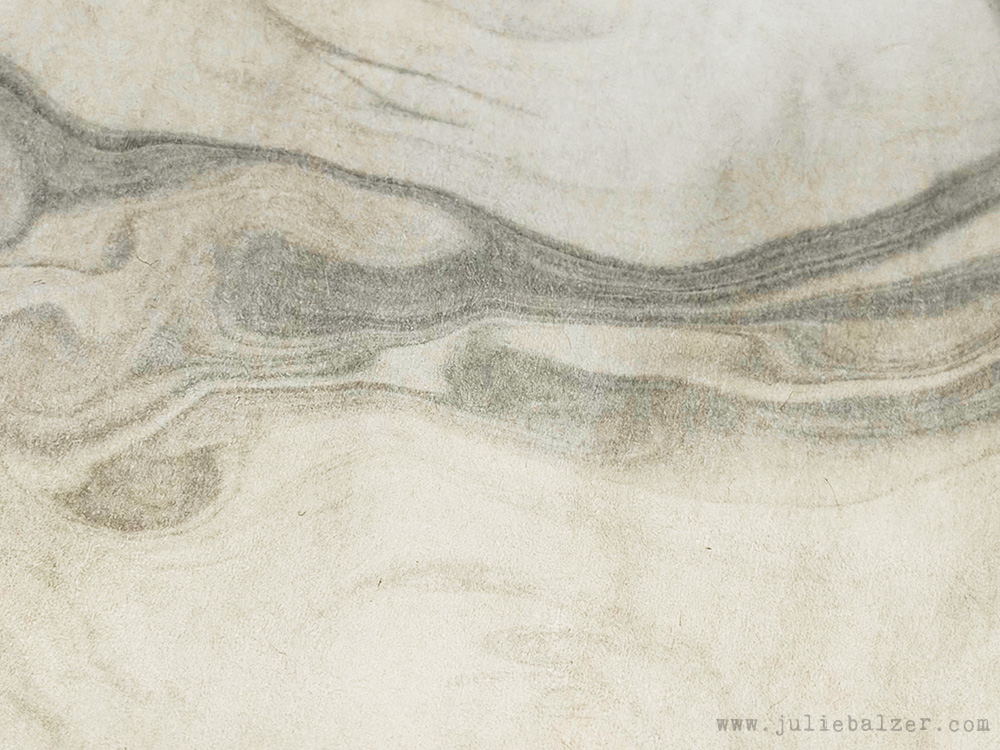
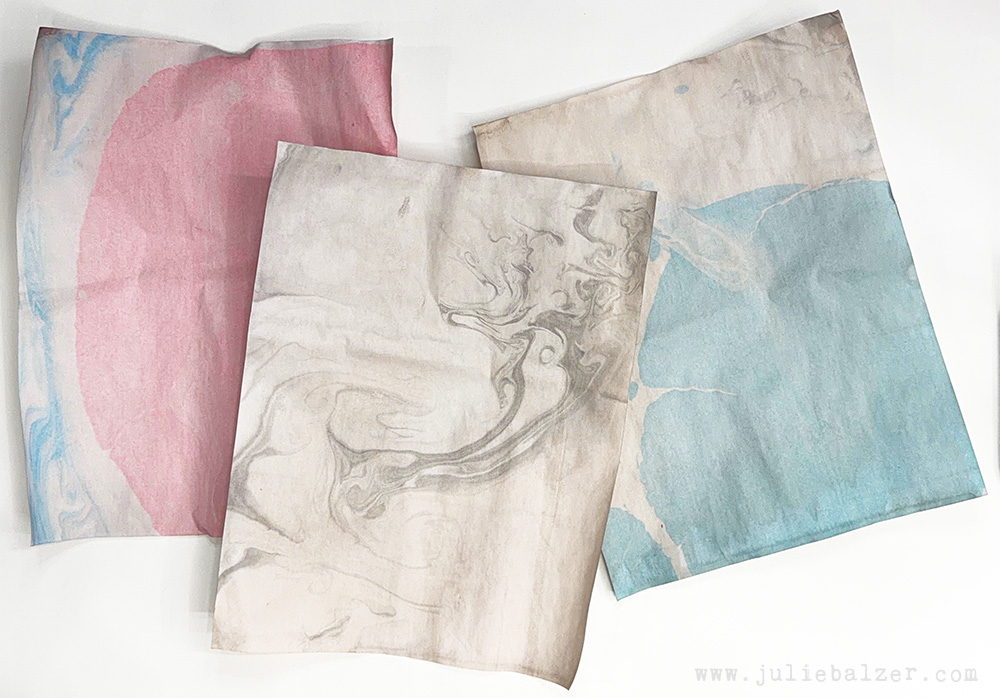
In this video I started with one idea: could I “tea-dye” some paper with acrylic ink? I ended up discovering that I could marble paper with just water and acrylic ink!
The results were unexpected and very welcome!
Why Micro-Experiments Work
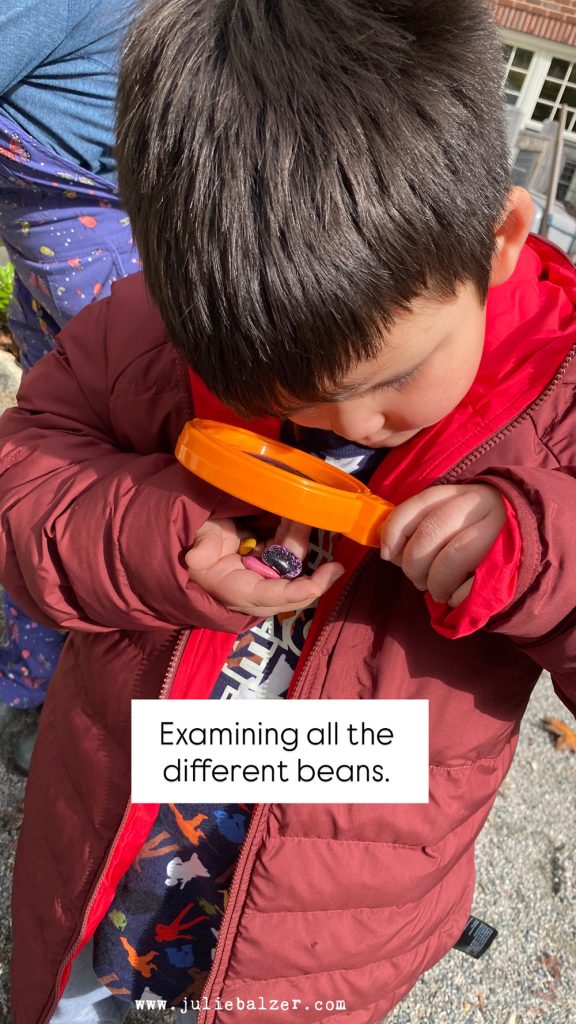
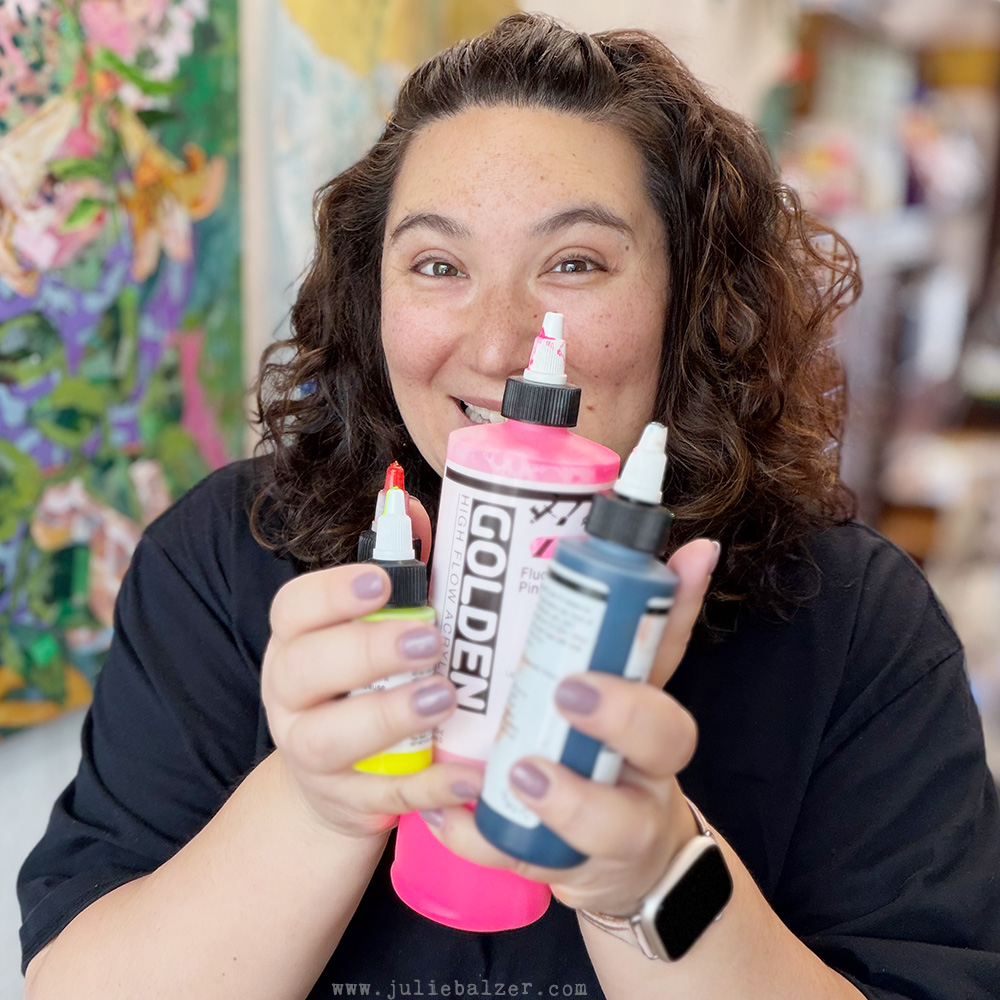
When you keep your experiments small, you lower the stakes. You’re not trying to make something good. You’re just trying to see what happens, making a shift from being focused on outcome to curiosity! (As a side note, I truly believe that curiosity is my superpower and the key to all success I’ve ever had in my life. I often tell my husband that I’ll know we’ve done a good job raising our son if he turns out to be a curious person. So far, so good! This photo is one I shared to my instagram stories recently.)
When you do a micro-experiment, instead of needing a block of time and a clear plan, you can experiment in the middle of whatever you’re already doing. One piece of paper becomes five slightly different versions. One technique becomes a series of variations and over time, those small variations start to add up.
You begin to notice patterns. Certain colors behave in ways you didn’t expect. Some combinations fall flat. Others feel like something you want to come back to. You start to build a kind of personal knowledge that doesn’t come from tutorials or classes, rather it comes from paying attention to your own work. (This is where I look at you sternly and tell you that a key part of this process is maintaining some kind of notebook where you write stuff down. But more on that in a moment.)
You Start to Build Tolerance for Uncertainty
A lot of hesitation in art comes from wanting to avoid doing something “wrong.” Micro experiments make that almost irrelevant. If the goal is simply to try something, then nothing is really a failure. It’s just information. This is where I think the idea of “wasting supplies” can start to shift for you. If you approach your materials as something to preserve, you tend to use them carefully, if at all. But if you approach them as part of an ongoing process of learning, then using them — even in ways that don’t lead to a finished piece — becomes the point. You’re not using more supplies than you would otherwise. You’re just using them more intentionally.
Writing is Part of An Art Practice
As I mentioned before, one thing that helps me make the most of these small experiments is writing them down. Not in a formal way with step-by-step instructions, and not every time, but often enough that I can look back and remember what I tried. It doesn’t take much. A sentence or two. A quick note about what changed. Sometimes just a reminder that something surprised me.
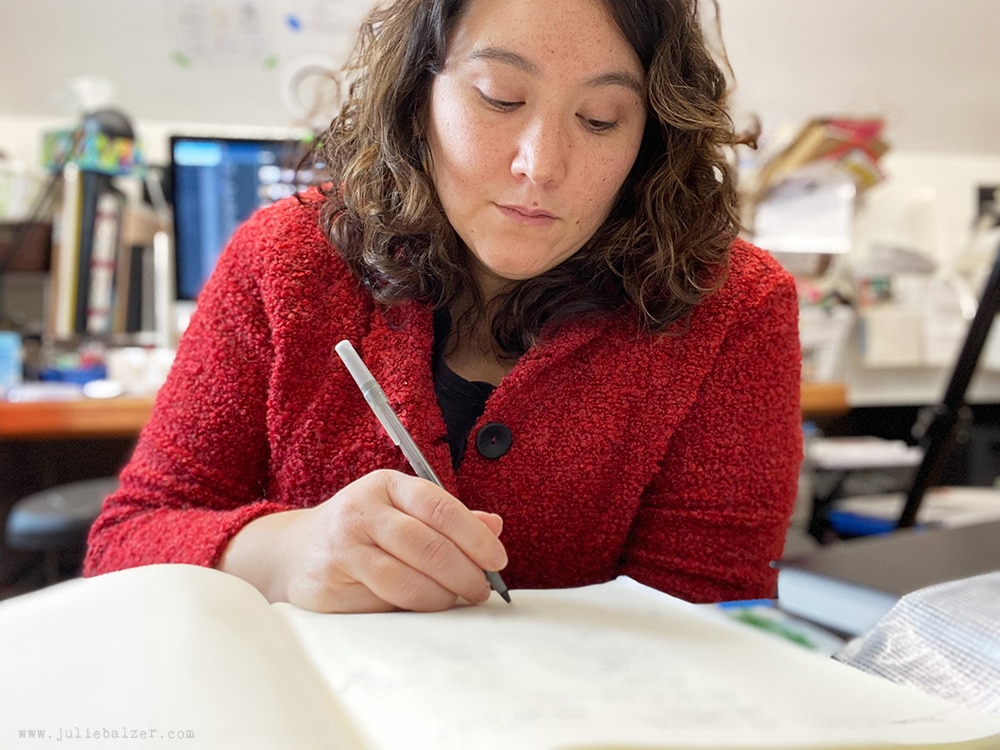
That record becomes a kind of bridge between one experiment and the next. It keeps ideas from disappearing, which they tend to do if you rely on memory alone.
Final Thoughts
What I like most about micro-experiments is that they don’t require a particular mood or mindset. You don’t have to feel inspired. You don’t have to be confident. You just have to be willing to ask a small question and follow it and that’s a much easier place to begin.
Thanks for stopping by!