I brought home a stack of art books from the thrift store last week. They were $1.99 each and completely irresistible to me! Watch the video to peek inside each book, hear a bit about how I use books to learn, and see two book-related tools that I love and recommend!
The Art Books I Bought
Point Character Drawing by Taco
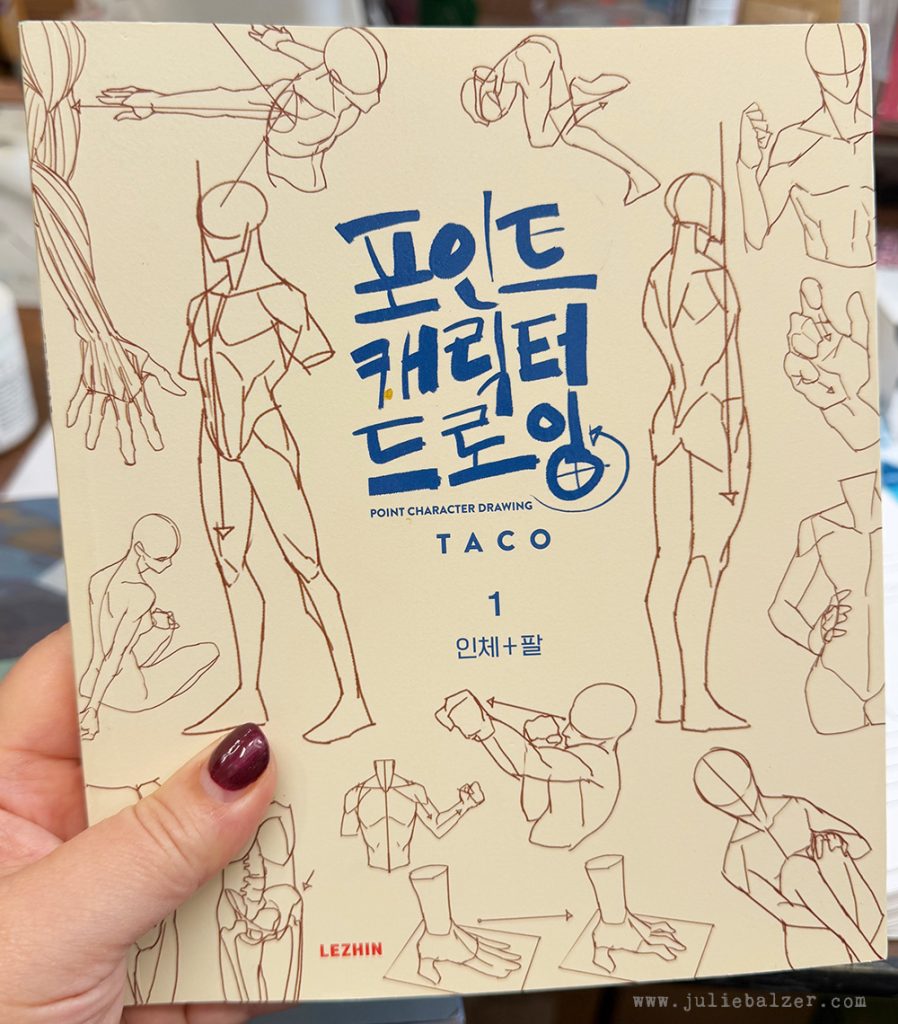
A drawing reference book focused on comic-style figures, with an especially in-depth section on hands, perfect for improving a skill I’ve always struggled with. I couldn’t find version 1 (the one in the video) for sale in English, but the new volume is HERE.
The World of Rubens (1967 Time-Life Book)
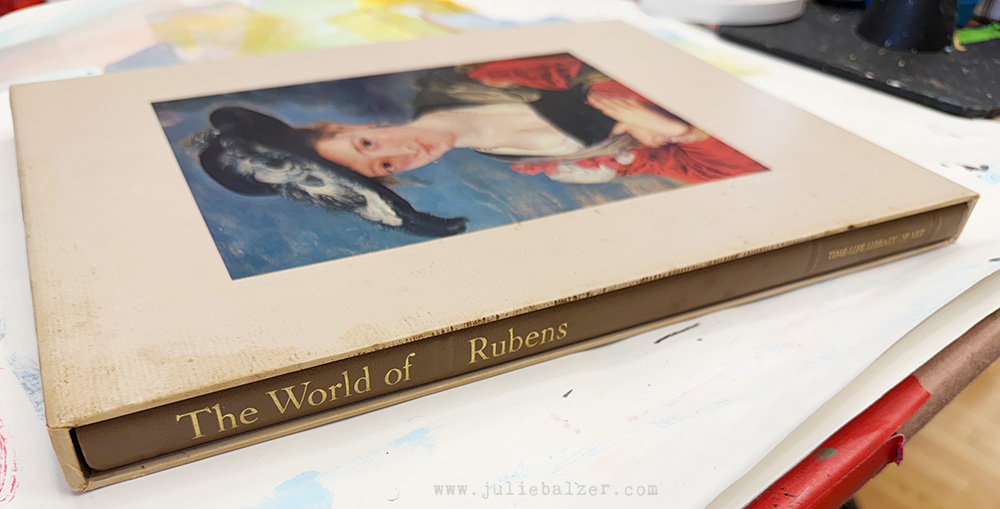
A vintage art history book filled with images and context about Rubens’ life and work, offering insight not just into his paintings but into how his era understood art.
Exploring Dimensional Quilt Art by June Barnes
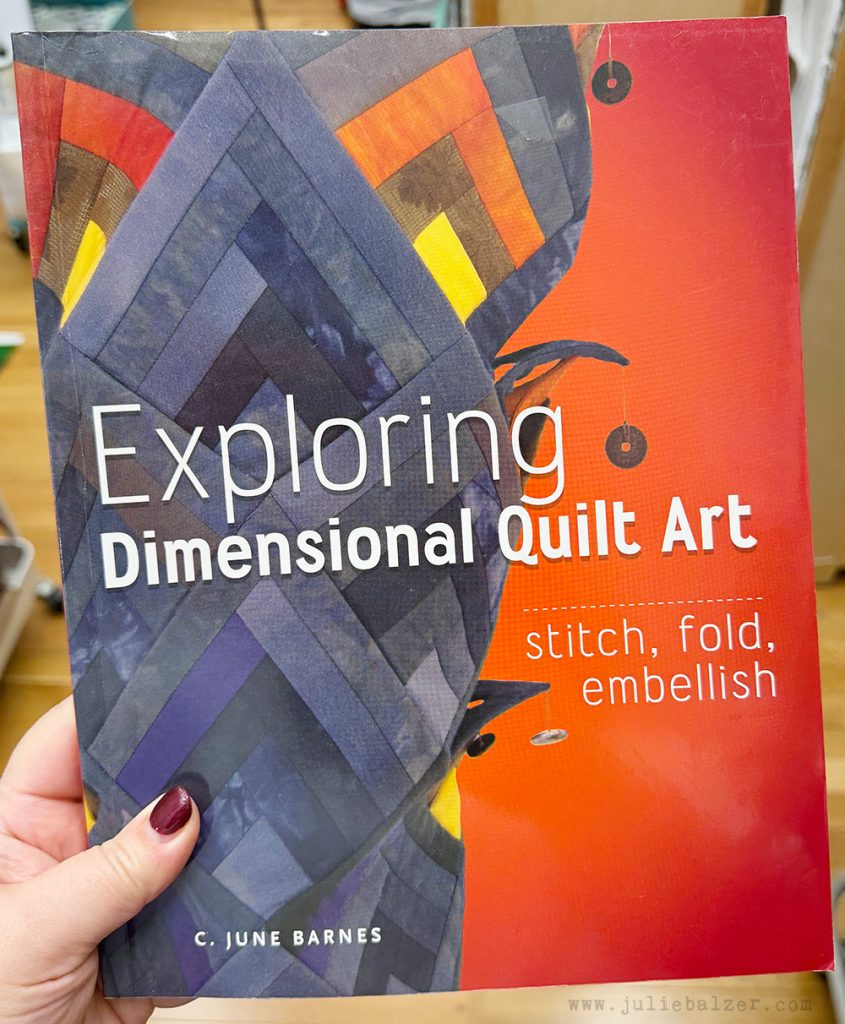
A fiber art book packed with sculptural textile ideas and techniques, full of inspiring projects (like Möbius strip forms) that I’m excited to experiment with in my own work.
World Textiles: A Visual Guide to Traditional Techniques
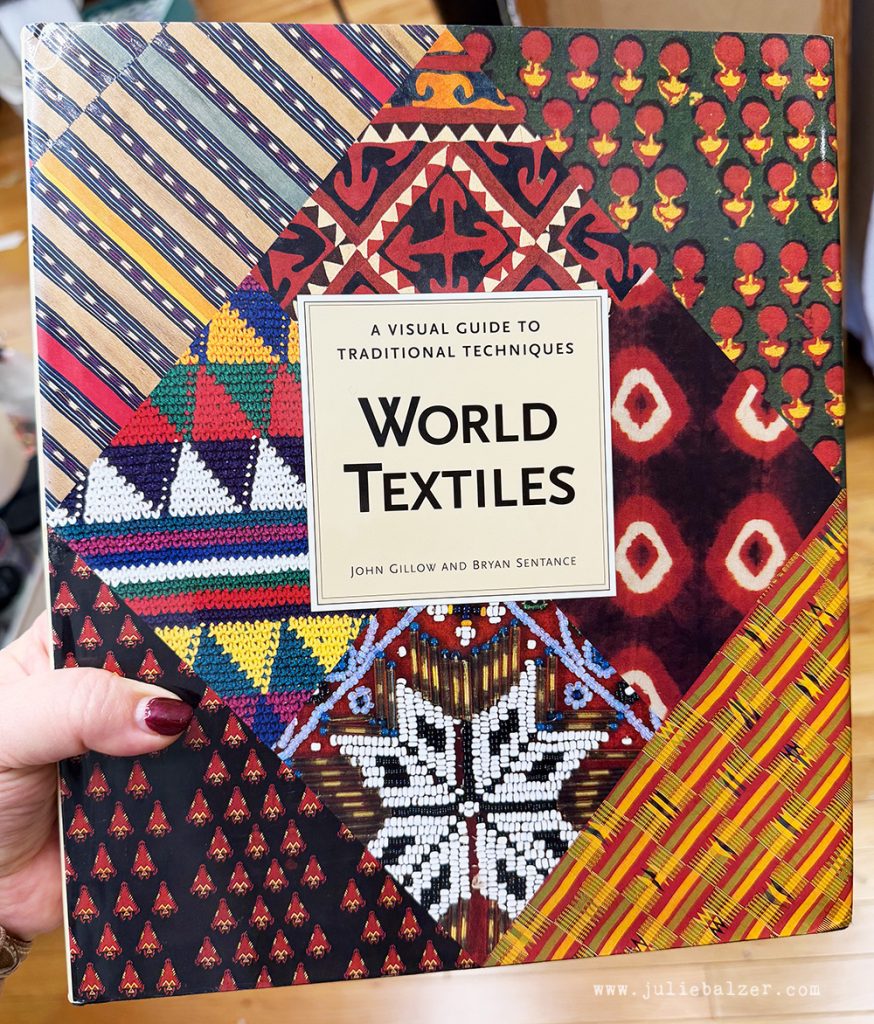
A richly illustrated reference book that explores global textile techniques, patterns, and materials. I think it will be great for generating ideas and understanding how designs are constructed.
The Best Contemporary Quilts: Quilt National 2001
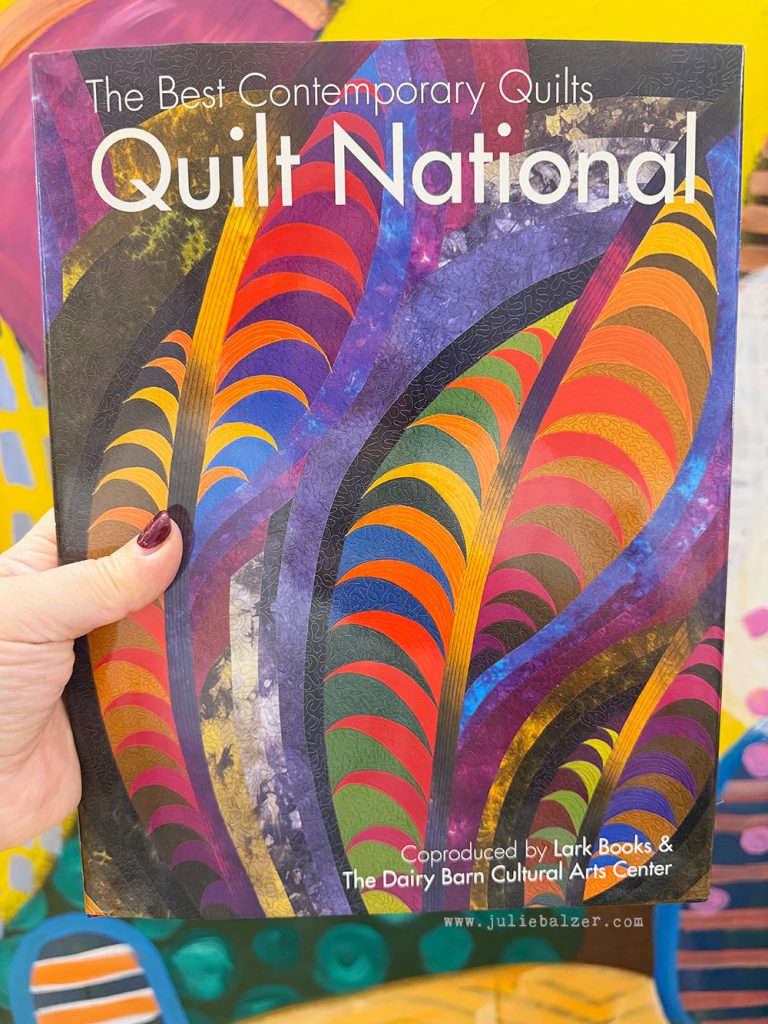
A collection showcasing top contemporary art quilts, offering a wide range of innovative work and a gateway to discovering artists to research further.
The Best in Contemporary Quilts: Quilt National 1999
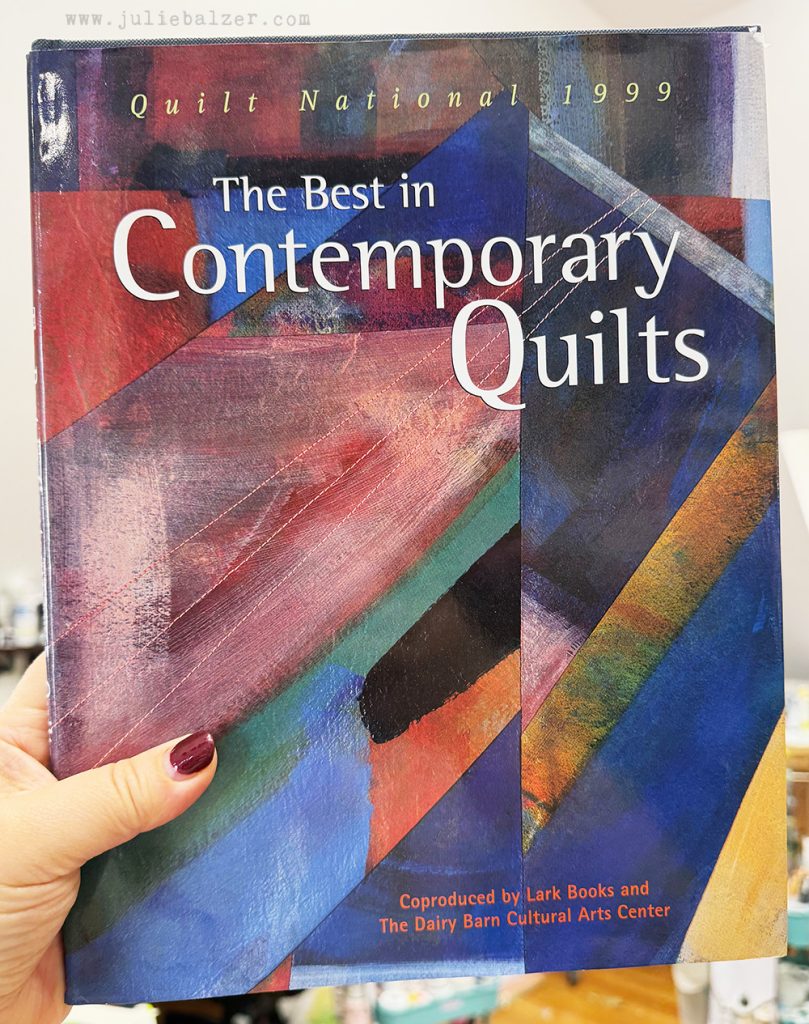
Another volume of cutting-edge quilt art that still feels surprisingly contemporary, reinforcing how strong ideas and design transcend time.
The Book Tools
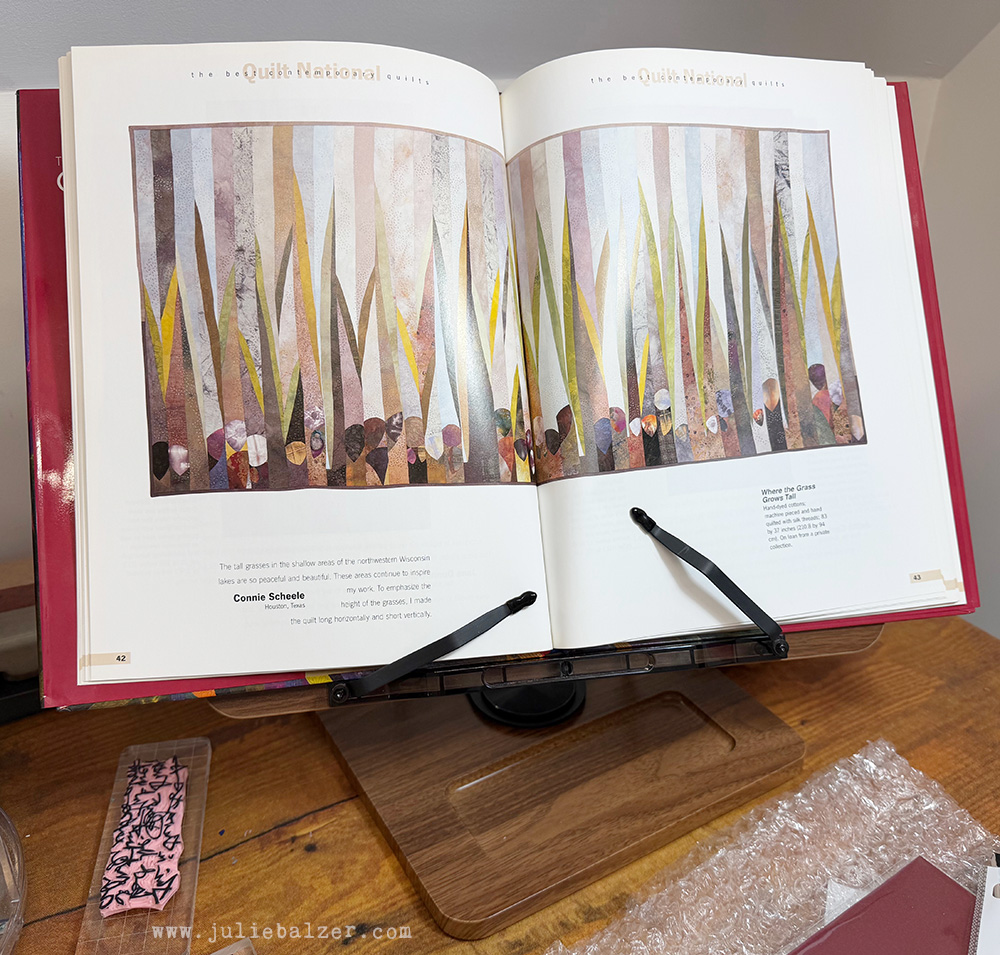
A hands-free adjustable stand that holds books open without damaging them, making it much easier to study, sketch, or take notes while working.
Scotch Book Tape (Archival Repair Tape)
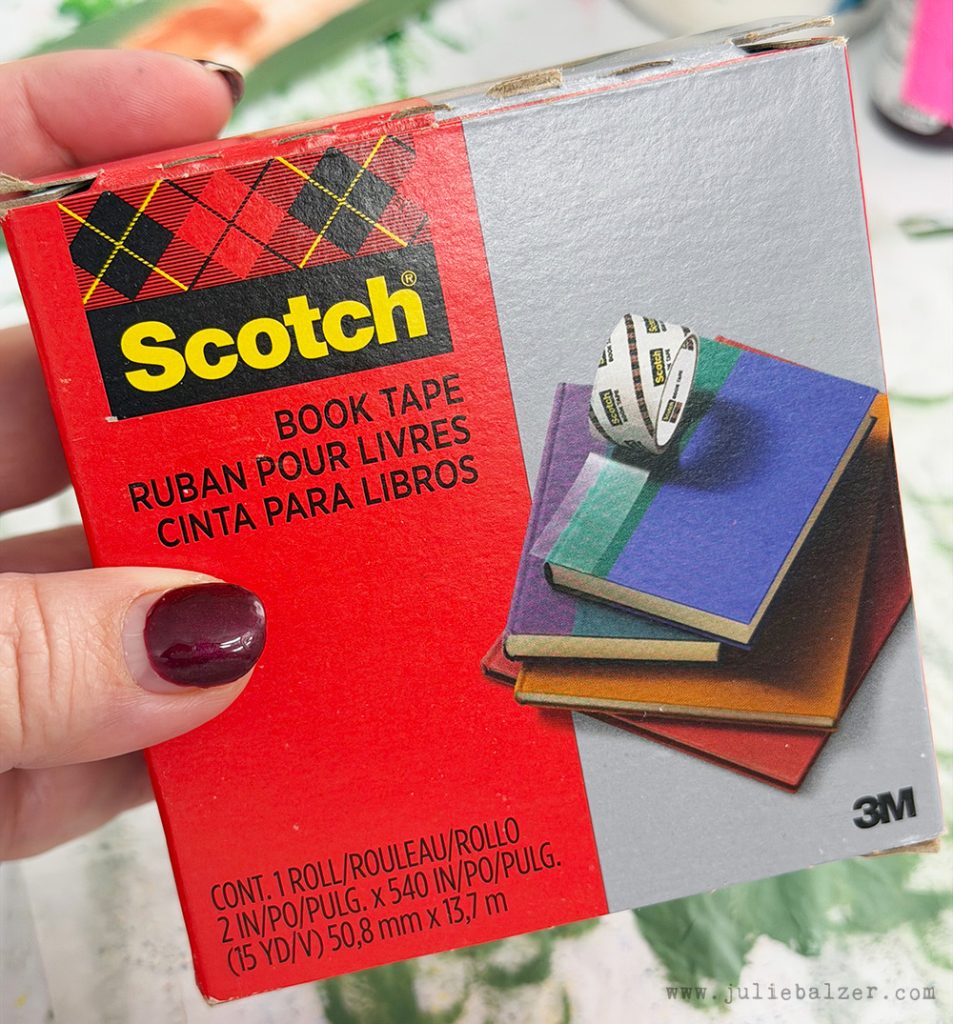
A clear, acid-free tape designed specifically for repairing books, helping stabilize damaged covers while staying nearly invisible and preserving the book long-term.
How to Use Art Books to Learn
You can’t just look to learn. It’s easy to flip through a book, admire the images, and feel inspired. It’s also easy to close the book… and go right back to making the same work you were making before. And it’s not because the book wasn’t good. It’s because inspiration needs to be processed.
When I bring a book into my studio, I treat it like a tool to be used. For me, that means taking notes. Not highlighting. Not underlining. Actual notes. I write down:
- Ideas that interest me.
- Techniques I want to try.
- Questions that come up.
- Quotes I find meaningful.
- Thoughts that relate to what I’m reading.
For me, the act of writing forces me to process what I’m seeing. For instance, if I see something I love, I ask myself, “What about this is interesting?” Is it the color scheme? The structure? A particular pattern? This thought process allows me to really dive into what I personally and uniquely want to create and why.
In addition, I often sketch from books — focusing on interesting compositions or juxtapositions. Sketching is just another method of processing ideas. So is doing the exercises in a how-to book. It’s one thing to read about how it works and it’s another thing to actually do it. Any time you use your hands to create something, it’s naturally being processed and translated through your own personal filters.
If you’re an artist, you’re a do-er. And so, I believe, you must do in order to learn because the goal isn’t to collect inspiration. The goal is to use it to move your work forward.
Wrap-Up
Several years ago, I posted a Book Club video that demonstrated exactly how I use art books to learn. If you enjoyed this post, you might find that one interesting too!
So before you go, let me know: What’s an art book that you love and highly recommend?
Thanks for stopping by!


Love you, Julie! Thanks for always providing interesting and useful information.
Holly
Thanks, Holly! I’m so glad that you’re enjoying the blog!
What a bargain! Enjoyed your Vlog and learning how you keep notes. So fun! Right now I am reading “How to be an Artist” by Jerry Saltz.
That’s in my TBR pile!