Are you an art book collector, like me? Do you have stacks of books that you haven’t read? Maybe only flipped through? Join the club!
A few years ago I decided that I wanted to really use the art books in my collection and I started Book Club, as a way of forcing myself to do that. Watch the video for more on how I use art books for inspiration in my art practice:
In case you don’t have time for the video, I’ll share a few tips!
Step One: Audition Before You Commit
One of the ways I use art books for inspiration is by “auditioning” them.

- I borrow books from the library (such as Papercut Landscapes, above).
- I download book samples onto my Kindle.
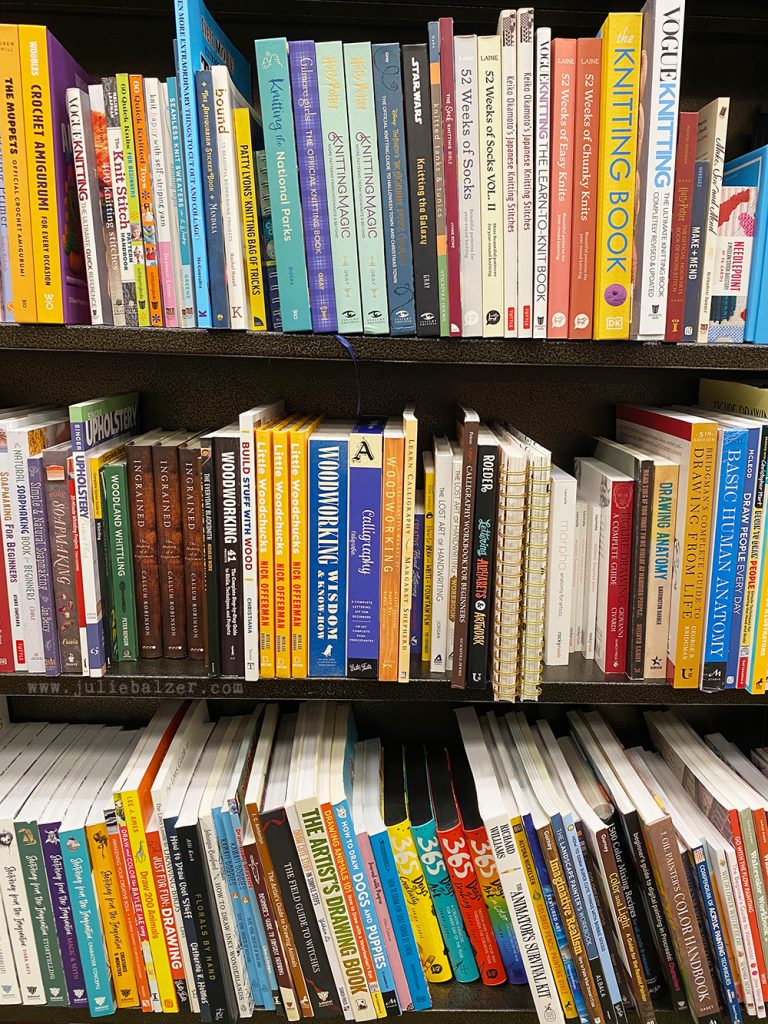
- I flip through books in thrift stores, book stores (the photo below is from a recent trip to Barnes & Noble) and museum shops.
Most art books are lovely to look at. But I’m fairly picky about the books that I want to have a permanent home in my studio. I have limited space (and budget), so I want to make sure that they’re books I’ll come back to again and again.
After auditioning a book, the ones I buy are the ones I feel reluctant to return. The ones where I think, “I’m not done with this yet.”
Step Two: Actually Do the Exercises
This is where I always always failed in the past and where Book Club really pushed me to stop reading and start doing.
If you’re at all like me, you probably do something like this:
- Flip through the book.
- Read some bits and pieces.
- Admire the images.
- Think, “that’s interesting,” or “I could do that.”
- Close the book and never think about it again.
But, I have discovered that if I really want to use art books for inspiration, I have to try the thing. It was Gerald Brommer’s excellent book, Collage Techniques, that really taught me that lesson! I had had the book for a long time and didn’t think it was that great. Then I decided to read it cover-to-cover and do all the exercises and, wow! I was blown away by how much I learned. You can read my blog post about it HERE.
Recently, I made paintbrushes out of leaves and flowers because Abstract Textiles by Anne Kelly was the Book Club pick over at My Art Practice.
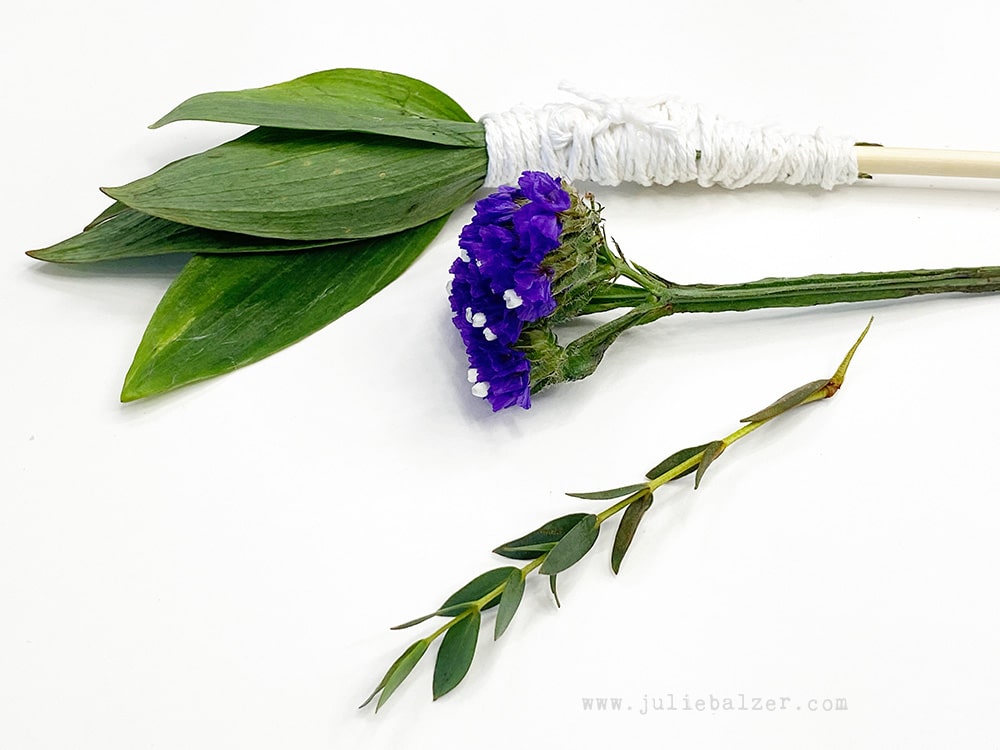
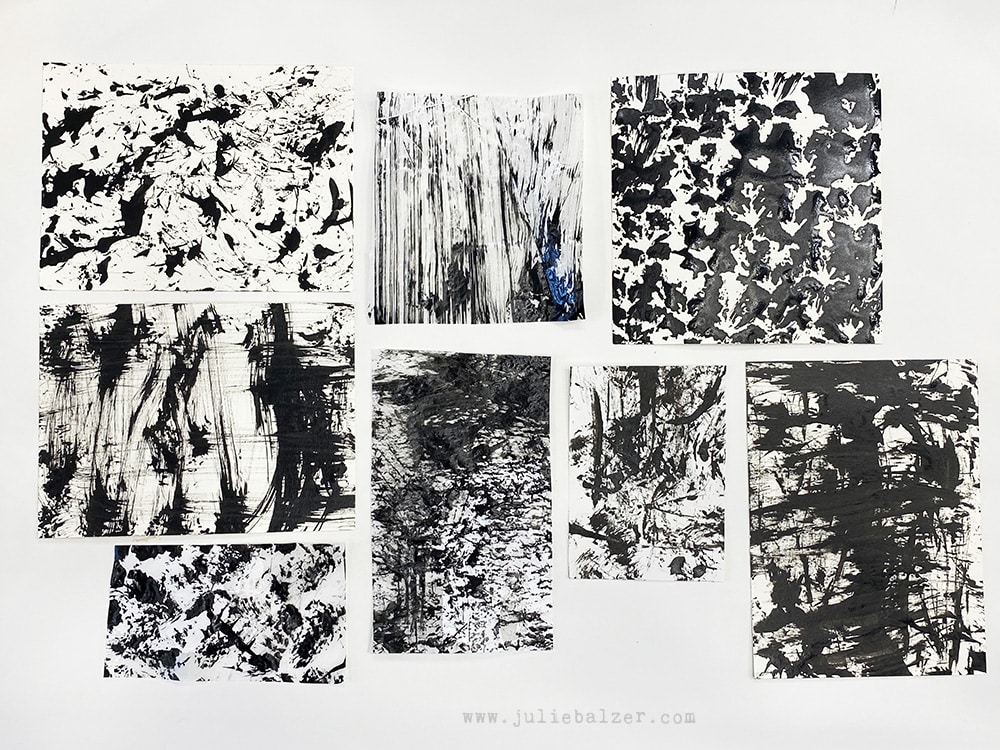
I love the results! Those marks now exist in my collage stash. They’ve entered my visual vocabulary. That only happens when the idea moves from page to paper.
Step Three: Notice What Sticks (and What Doesn’t)
Knowing what you don’t like is as important as knowing what you do like! Not every book or every exercise will resonate with you and that’s fine. For instance, from the same Anne Kelly book, I tried painting with coffee.
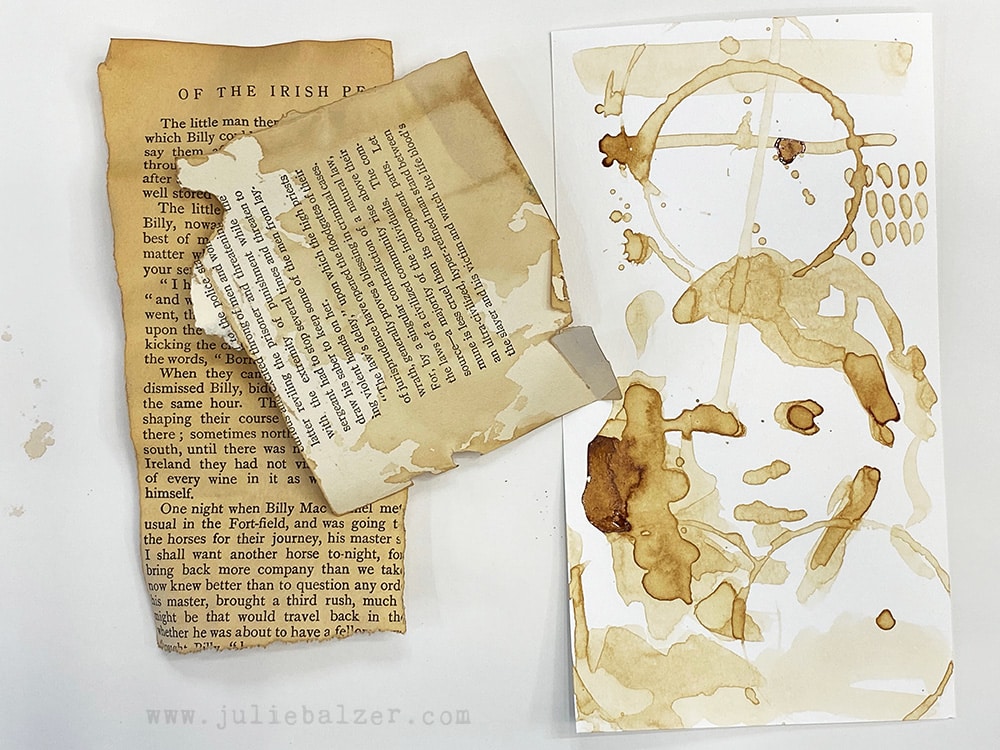
It was fine. I didn’t hate it. I didn’t fall in love either. I’m glad I tried it. I probably won’t do it again. And that’s useful information.
When you use art books for inspiration, you’re not obligated to adopt everything inside them. You’re allowed to test and discard. You’re allowed to say, “That’s not for me.” Discernment is part of practice.
Step Four: Think Beyond Technique
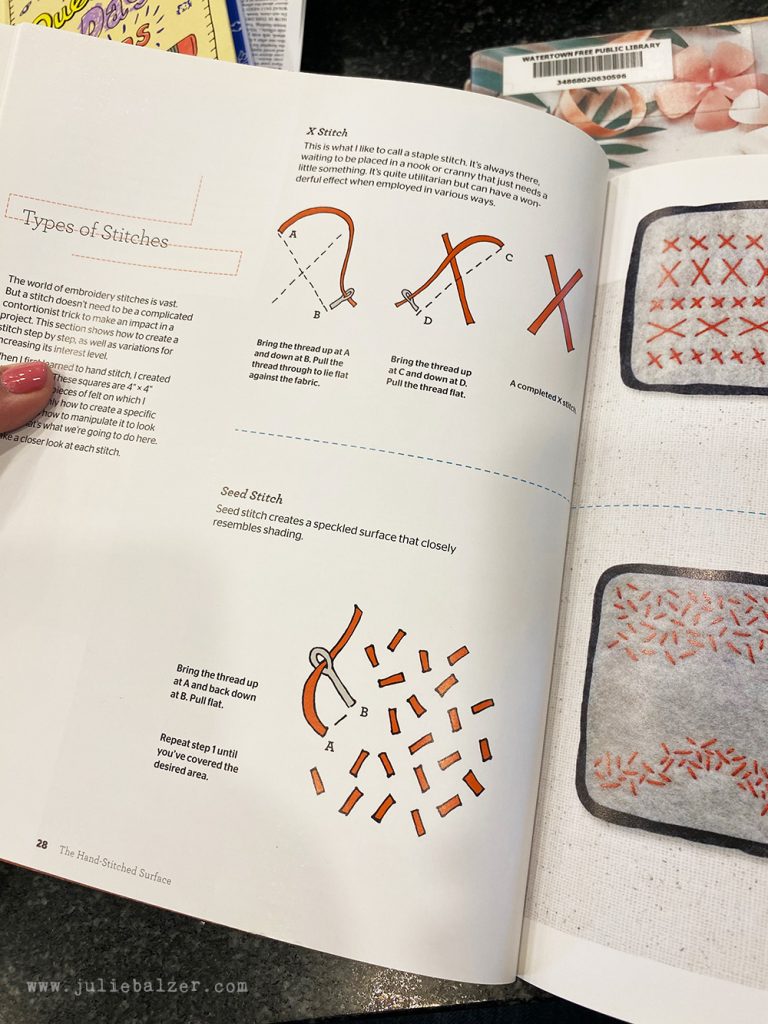
Sometimes inspiration isn’t about the specific exercises in a book. It can be:
- How the author sequences ideas.
- The beautiful images in the book.
- Inspiring or useful text.
- The way a concept unfolds slowly over chapters instead of all at once.
- The tone — whether it feels generous, rigorous, playful, or precise.
- The layout. The margins. The white space.
- Or even the places where I think, “I would approach that differently.”
As an art teacher, I learn a lot from noticing how a book is built. Not just what it says, but how it says it. How it moves you from one idea to the next. For me, sometimes the real inspiration isn’t the project at all. It’s the structure of the book!
Books Are Conversations
I have found that when I really use art books, they stop being static objects on a shelf. They become conversation partners in my art practice.
- I try something or I read something or I see something.
- I respond to it.
- I adjust either myself or the process.
- I marinate on it.
- I am changed in some way.
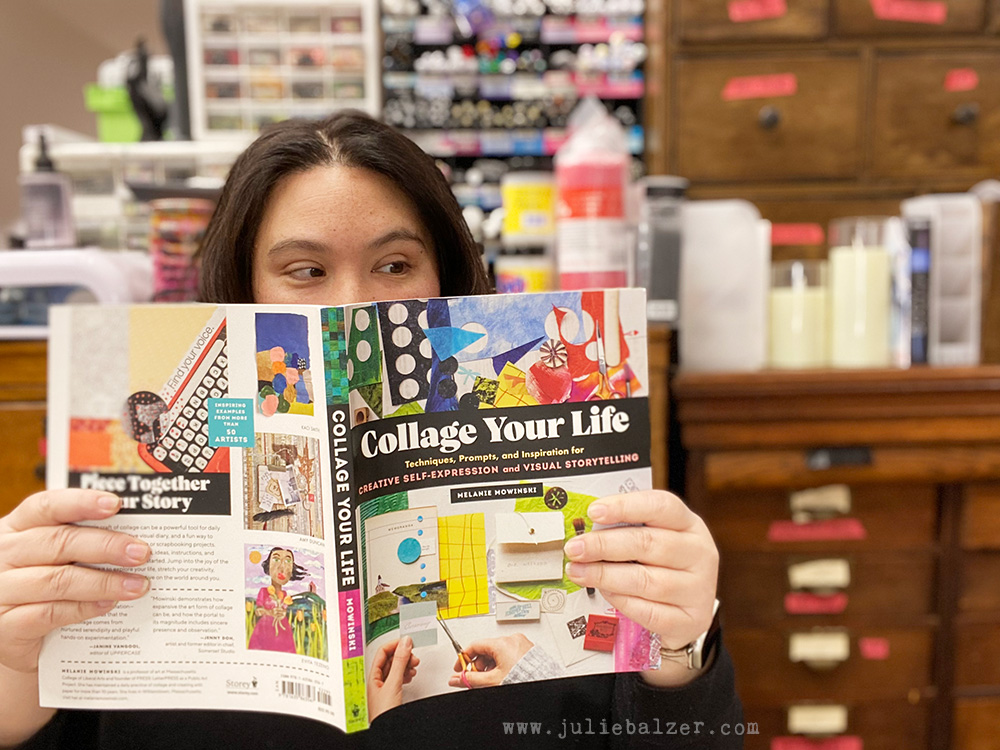
You don’t have to do everything in a book. But doing one thing — really doing it — might change your work more than reading twenty books would!
If you’ve got art book recommendations, let me know! I’m always looking for my next great read!
Thanks for stopping by! And don’t forget to check out my March of Artist Books class!
Related Links: