I sometimes get asked why it was so important to me to include art history lessons in the My Art Practice curriculum? The answer is simple: learning art history makes art more enjoyable, more meaningful, and more freeing.
However, when people hear the phrase art history, they often imagine memorizing dates, staring at old paintings in quiet museums, or learning the names of artists they will never need to mention in everyday life. For a hobby artist, it can seem even less necessary. After all, if you make art for fun, relaxation, or personal expression, why spend time studying what other people made hundreds or even thousands of years ago?!
You do not need to become an expert. You do not need to memorize every movement from the Renaissance to Postmodernism. But even a basic understanding of art history can give you new ideas, help you understand your own taste, and make you feel more connected to the creative world. For hobby artists especially, a bit of art history knowledge can turn art-making from “I just like making things” into a richer, more exciting lifelong practice!
I’ll explain…
Art History is a Wonderful Source of Ideas
Every artist eventually runs into the same problem: not knowing what to make. You may sit down with your sketchbook or art journal or canvas and feel completely blank.
Or maybe you keep drawing the same subjects in the same way because it is comfortable. Art history can help break that pattern. You see, when you study art from different times and cultures, you expose yourself to thousands of creative solutions. You learn how artists have painted light, arranged figures, used color, distorted bodies, told stories, decorated objects, captured movement, or expressed emotion. Each artwork becomes a possible doorway into your own ideas.
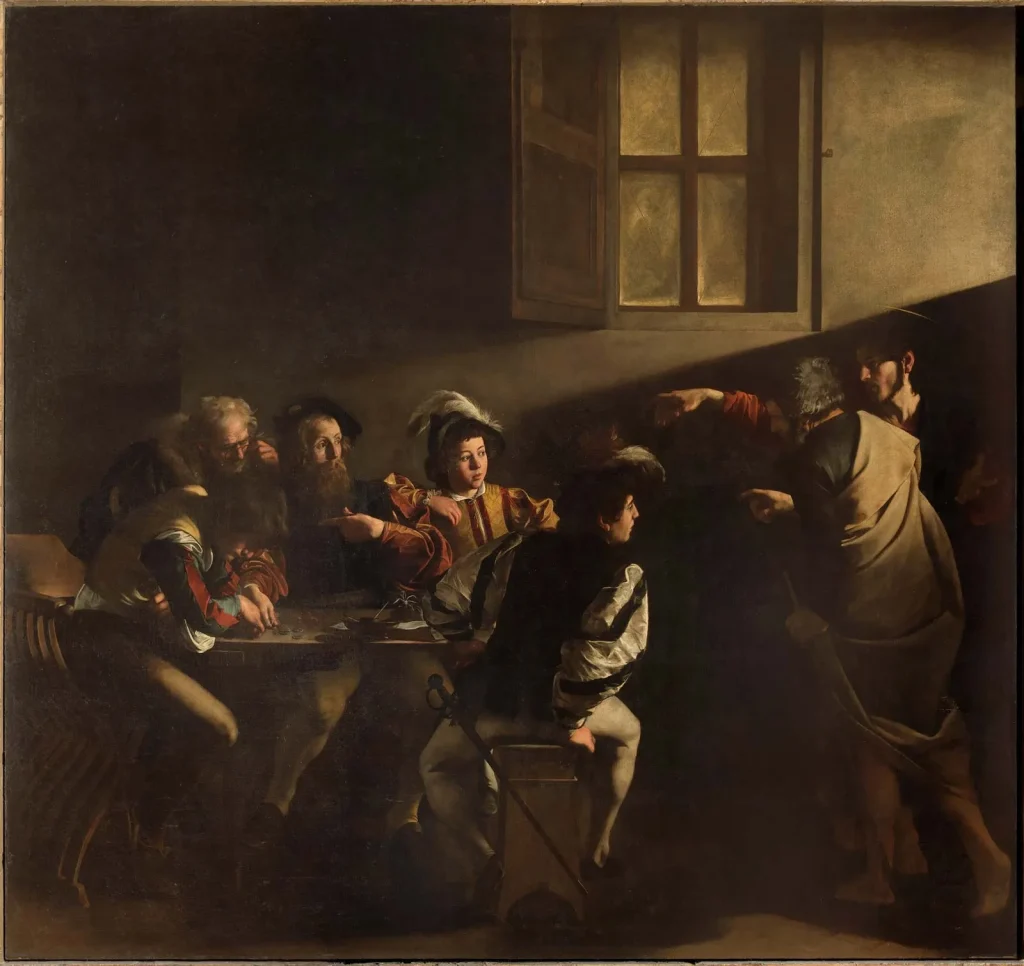
Maybe you discover the dramatic lighting of Caravaggio and decide to experiment with strong shadows.
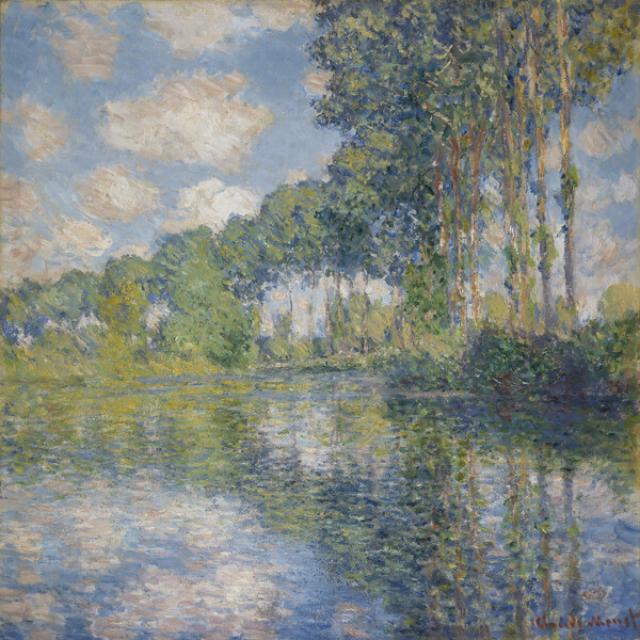
Maybe you see the soft colors of Impressionism, as in this Monet, and feel inspired to paint outside.
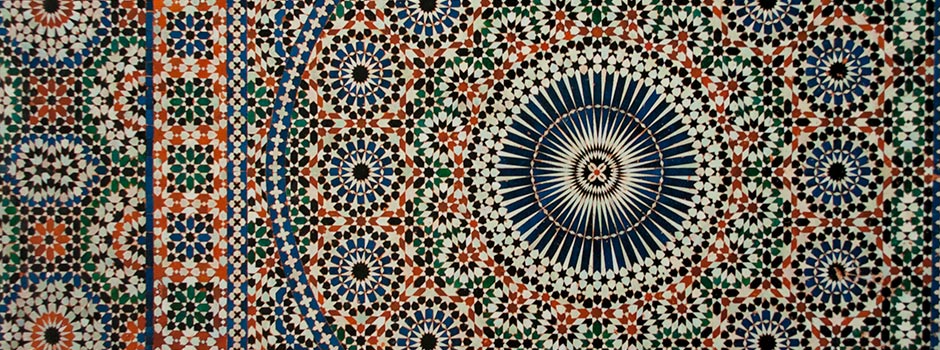
Maybe you notice the patterns in Islamic art…
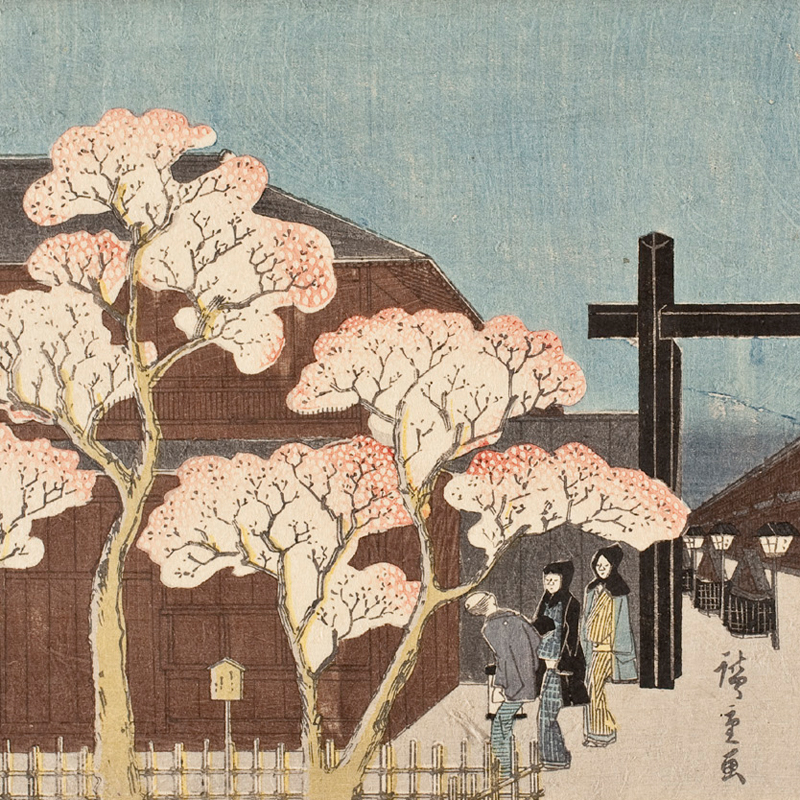
…or the flat shapes in Japanese woodblock prints, like this one by Hiroshige…
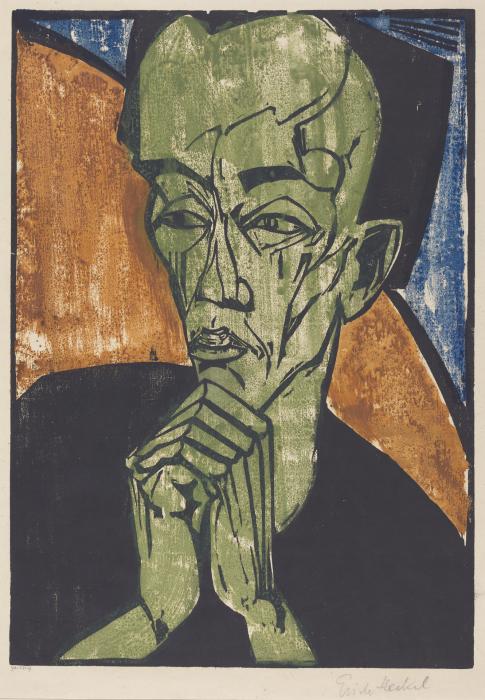
…or the emotional intensity of German Expressionism as seen here in Erich Heckel’s work:
You do not have to copy any of it directly. The point is not to imitate, but to expand your imagination. Art history fills your creative toolbox!
Art History Helps You Understand Your Own Style
Many artists worry about “finding a style.” They wonder why their work does not look consistent yet, or why they are drawn to certain colors, subjects, or techniques. Art history can help you answer those questions.
When you look at many kinds of art, you start noticing what attracts you. Do you love clean lines or messy brushwork? Realistic detail or expressive distortion? Calm compositions or dramatic scenes? Bright colors or muted tones? Symbolic imagery or everyday subjects?
Studying art history gives you language for your preferences. Instead of saying, “I like old paintings,” you might realize you are specifically drawn to Baroque drama paintings such as this one painted by Artemisia Gentileschi:
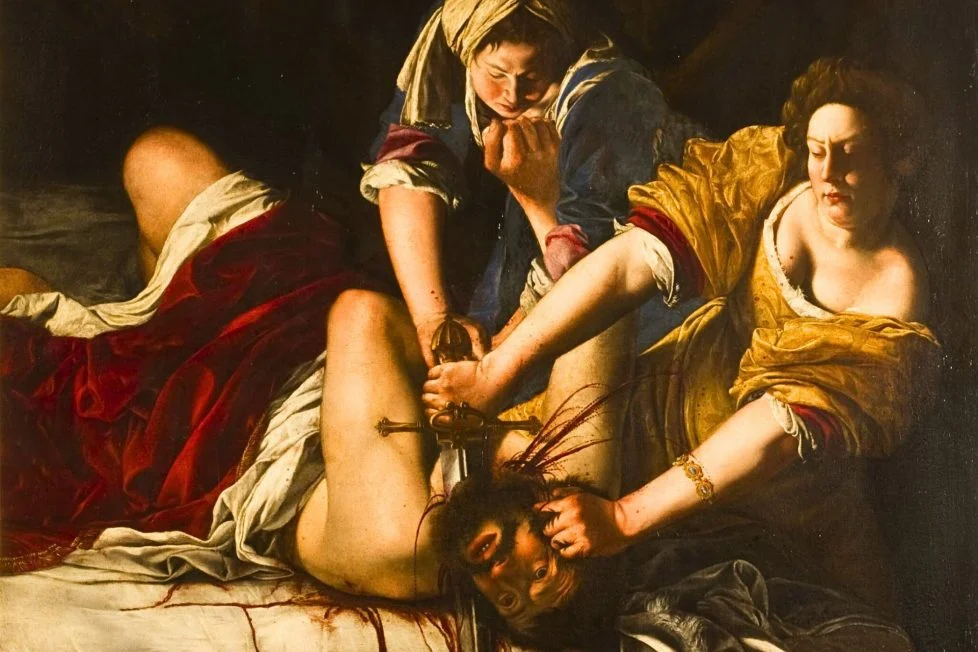
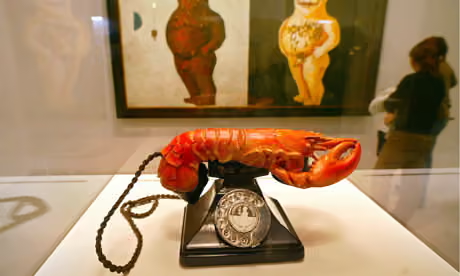
Instead of saying, “I like weird art,” you might discover an interest in Dada, outsider art, or Surrealism, as in this lobster phone by Salvador Dali:
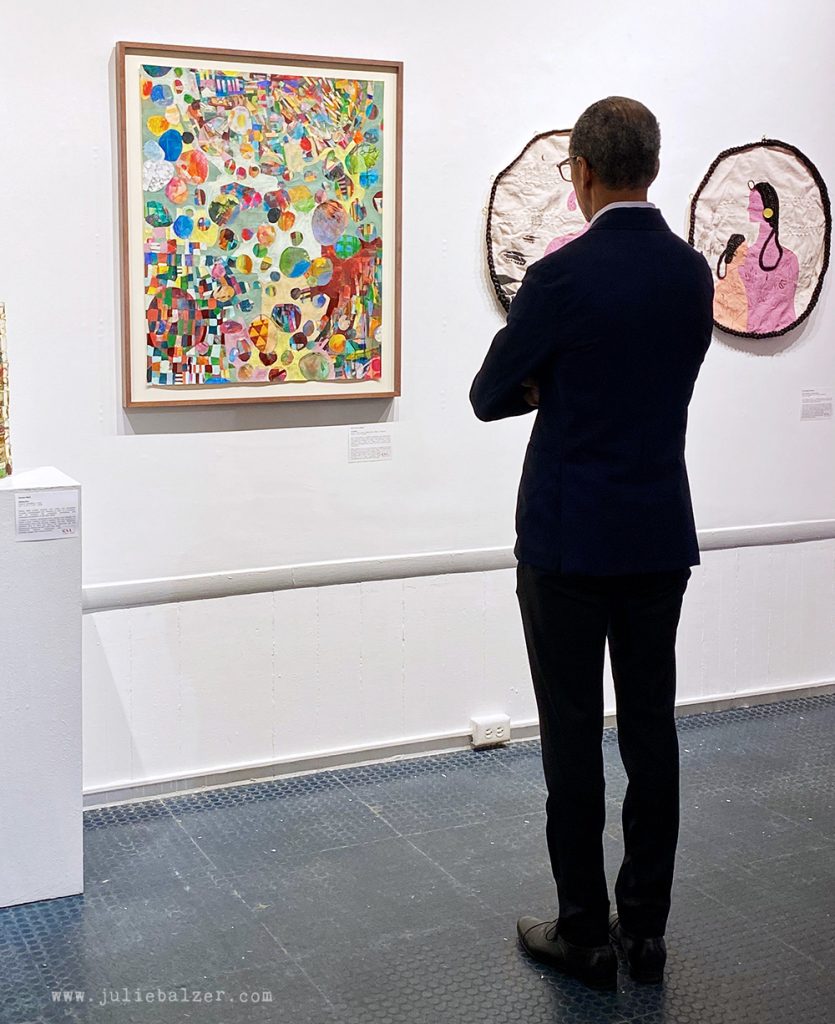
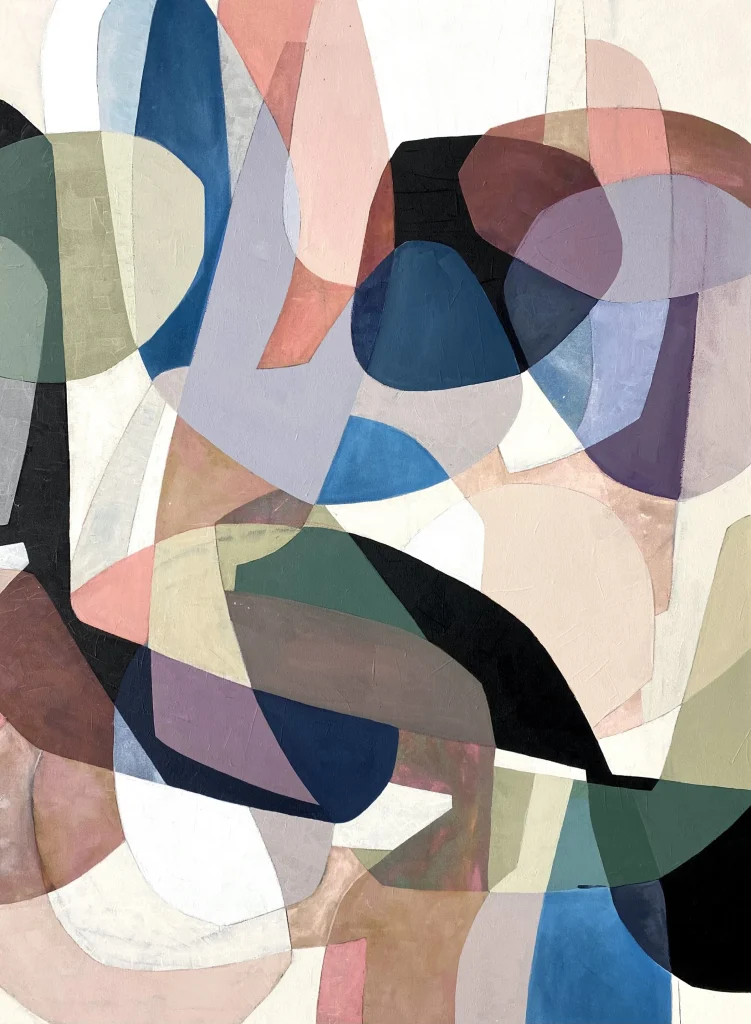
Instead of saying, “I like simple shapes,” you might connect with modernist design, folk art, or abstraction, such as this painting by Wendy Westlake:
Your style is not something that appears magically. It grows from what you practice, what you notice, what you love, and what you choose to return to. Art history helps you see those patterns more clearly.
Art History Reminds You That Art Does Not Have to Be Perfect
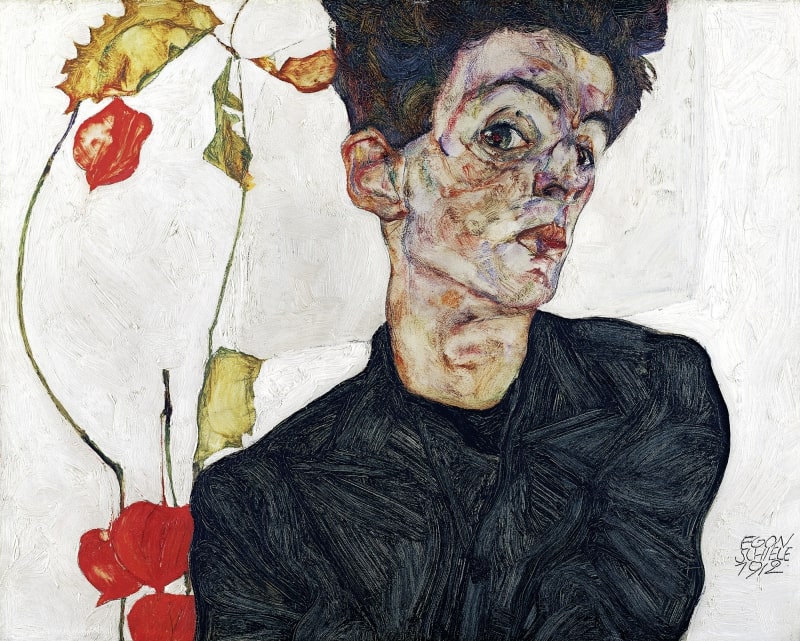
One of the best reasons to learn art history is that it can loosen the grip of perfectionism. Many people think “good art” means realistic art. They assume that if they cannot draw a perfect face, a perfect hand, or a perfect landscape, they are not a real artist. But art history proves otherwise! Across history, artists have made powerful work that is not realistic at all. Medieval artists often cared more about spiritual meaning than accurate perspective.
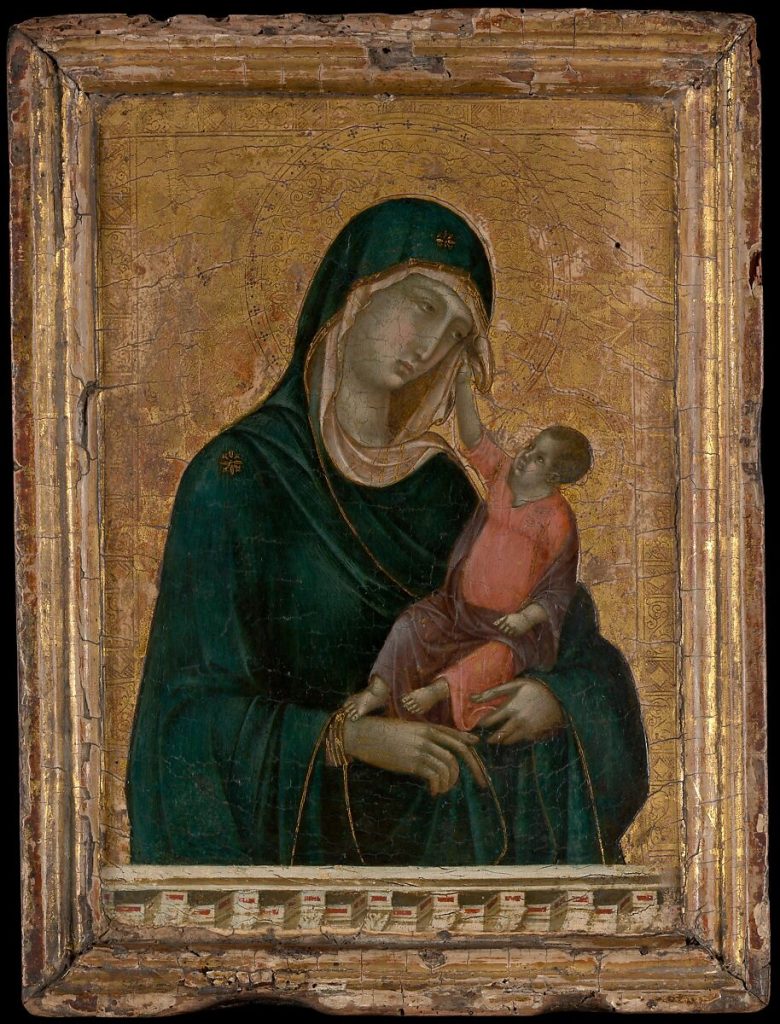
Expressionists exaggerated forms to show emotion, as in this wonderful painting by Egon Schiele:
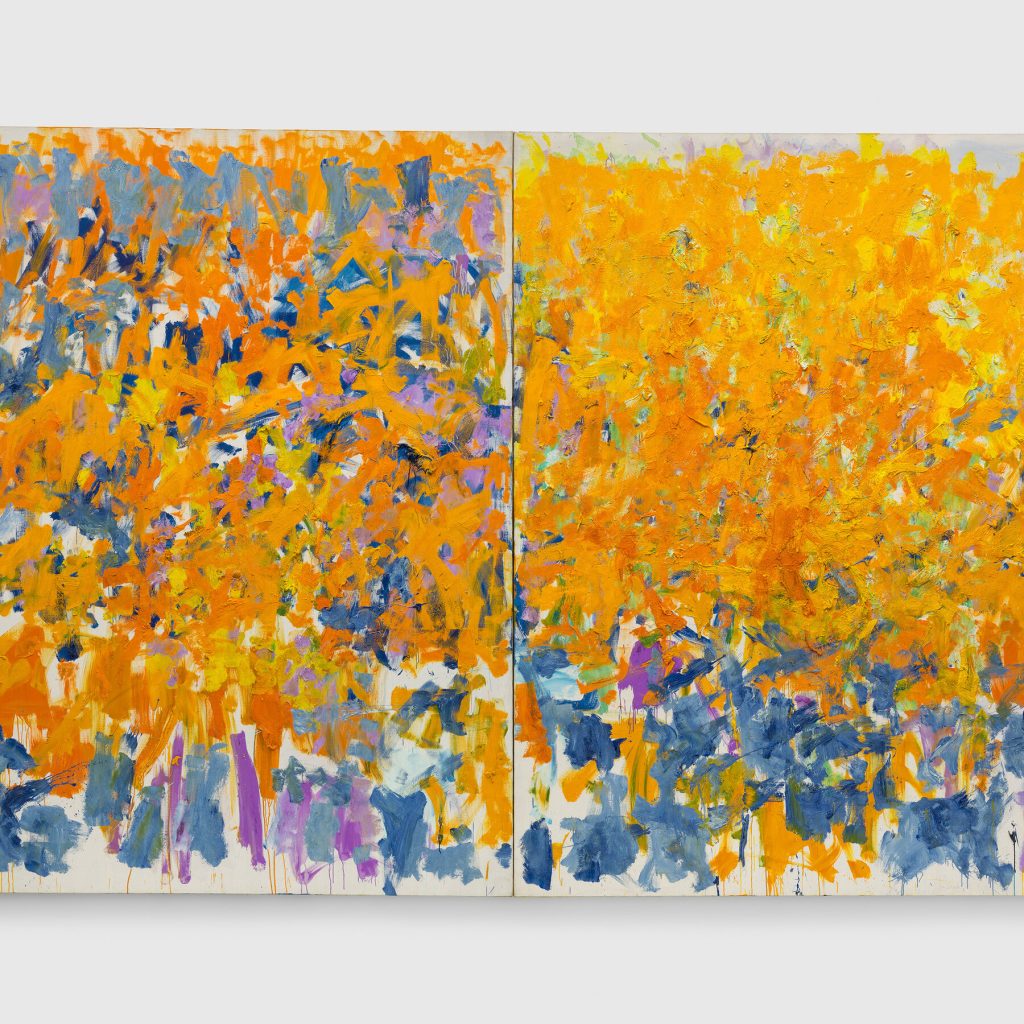
Abstract artists use color, shape, and movement without recognizable subjects. I love the work of Joan Mitchell:
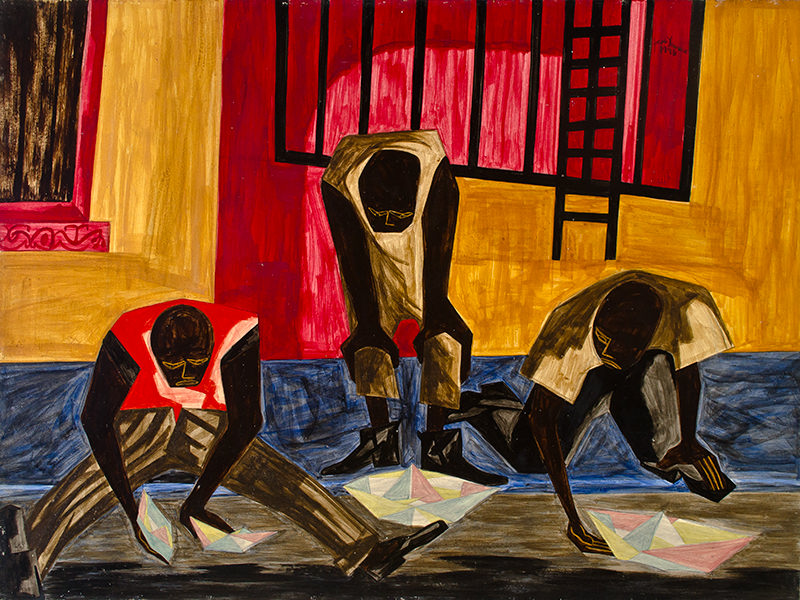
Folk artists, self-taught artists, and craft traditions often follow different rules than academic realism. One of my favorite self-taught artists is Jacob Lawrence:
Art history shows that there is no single correct way to make art. Realism is one path, but it is not the only path. Art can be symbolic, decorative, emotional, strange, playful, political, quiet, messy, simple, or mysterious. Once you understand that, you may feel less pressure to make your work look “right” and more permission to make it feel right to you.
Art History Makes Museums and Galleries More Enjoyable
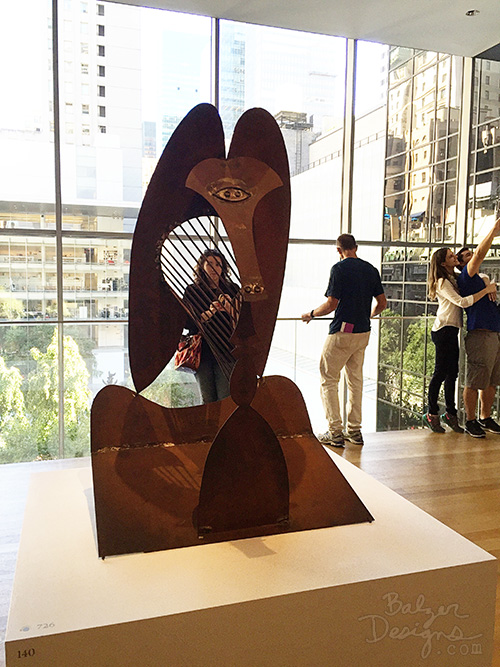
Many people feel intimidated in museums. They walk through rooms full of paintings and sculptures without knowing what they are supposed to think. They may enjoy a few pieces, but the rest can feel distant or confusing.

A little art history changes that.
When you know even a small amount about different periods or movements, museums become more like conversations. You can recognize why a Renaissance painting looks carefully balanced, why an Impressionist painting looks loose and light-filled, why a modern artwork might reject traditional beauty, or why a portrait might communicate power, wealth, grief, or rebellion.
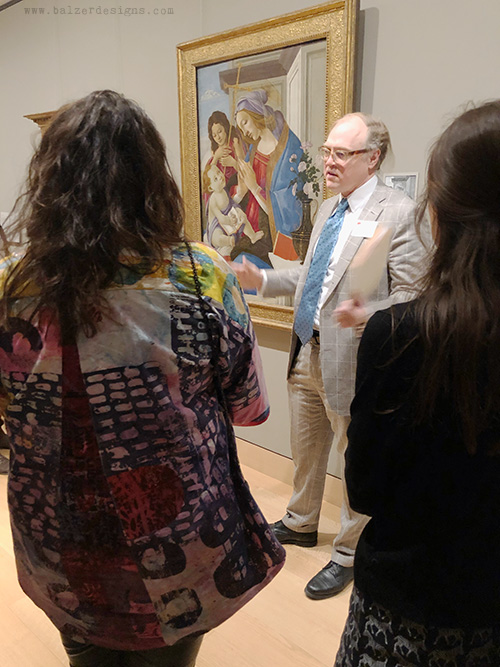
You do not need to know everything. Even knowing a few basics can make the experience more engaging. Instead of asking, “Why is this famous?” you start asking better questions: What was the artist trying to do? What rules were they following? What rules were they breaking? What would this artwork have meant to people at the time?
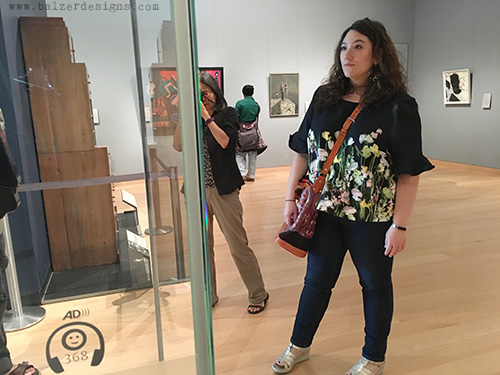
This makes looking at art feel active rather than passive. You are not just admiring art. You are learning from it.
Knowledge of Art History Gives You Confidence
When you know more about art, you start to trust your eye. You can explain why you like something. You can recognize techniques. You can understand references. You can see connections between your work and the work of others.
This does not mean you need to sound academic or use complicated language. Confidence does not come from showing off what you know. It comes from feeling less lost. For instance, you might look at your own artwork and realize, “I’m more interested in mood than accuracy.” Or, “I like decorative space more than realistic depth.” Or, “This reminds me of the way certain artists used color emotionally.” These realizations help you make choices with more intention.
For artmakers at all levels, intention matters. You do not need to make art for anyone else, but it feels good to understand what you are doing and why.
You Do Not Have to Learn Art History the “School” Way
One reason people avoid art history is that they imagine it has to be formal. They picture lectures, exams, and memorizing facts. But you can learn art history in a much more relaxed way.
- Begin with an artist (or an art movement) that you already like.
- Learn more about them/it.
- Watch a documentary
- Read an online article
- Check out Wikipedia
- Listen to a podcast
- Read a book
- Visit a museum to see the work in person and/or take a tour with a knowledgable guide
- Attend a lecture
- When you come across terms you don’t know or related artists or movements, take the time to look them up.
Slowly, you’ll find that you know quite a bit about art history. Keep in mind that the goal is not to know everything. The goal is to stay curious and keep learning.
Final Thoughts
So I hope I’ve inspired you to be willing to learn a little bit of art history. For me, it really has made creating art richer. I enjoy museums more. I understand more of what I see in contemporary art. (I may not like it, but I get where it’s coming from.) Remember, you do not have to become an art historian. You do not have to memorize dates. But learning even a little art history can help you become a more curious, confident, and inspired artist!
Thanks for stopping by!
P.S. Get a regular dose of easy art history at My Art Practice!



Pingback: What Happened (August 2026) at My Art Practice - Balzer Designs Blog