People always talk about “finding your art style,” but I think they should talk about establishing your personal preferences instead. Look at this simple list of questions:
- What’s the best paint?
- What’s the best way to start?
- How do you know when your painting is done?
- What colors should I use?
Most of these questions don’t have a universal answer. It boils down to your personal preferences.
Why Personal Preference = Your Art Style
I think personal preference sometimes gets dismissed as unimportant. We treat it as if it’s arbitrary. As if our own intrinsic likes are somehow less valid than a technical rule or an expert opinion — i.e. “You’re supposed to do it this way.” However, I don’t think that’s true at all. My preferences shape almost every decision I make in the art process.
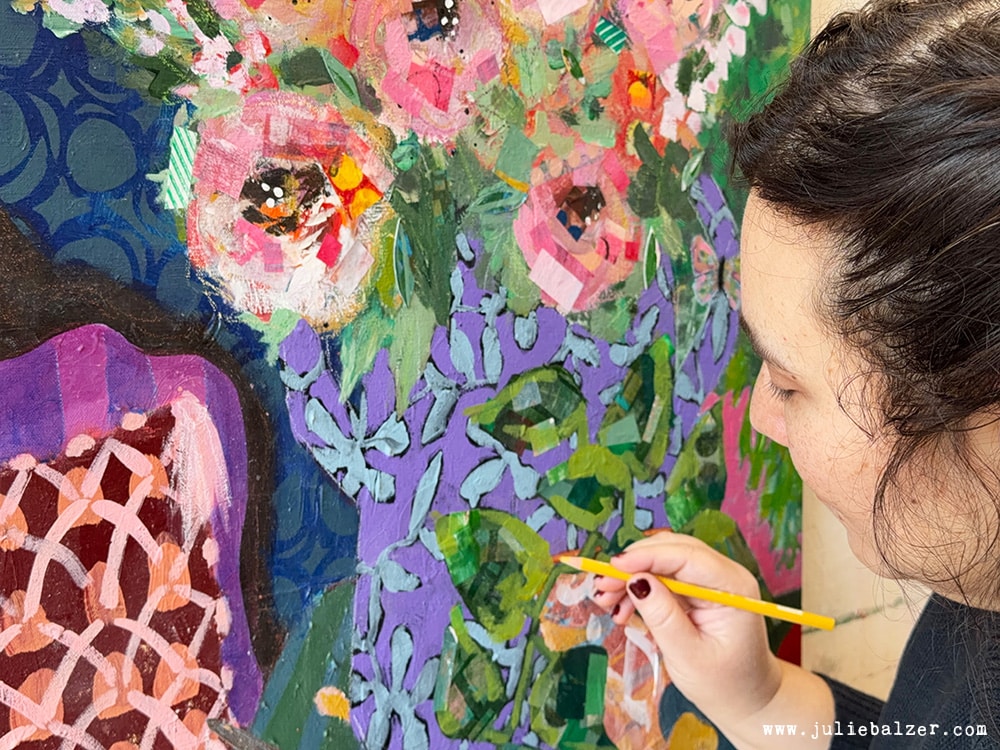
For instance:
- I prefer matte surfaces to glossy ones.
- I prefer high contrast artwork.
- I prefer artwork that shows evidence of the artist’s hand.
- I prefer a paintbrush with stiff bristles.
- I prefer an art process that balances planning and improvisation.
- I prefer vertical or square orientation in artwork rather than landscape.
- I prefer artwork with lots of movement.
- I prefer intense detail to wide open spaces in artwork.
- I prefer layered artwork.
- I prefer artwork that is emotional rather than intellectual.
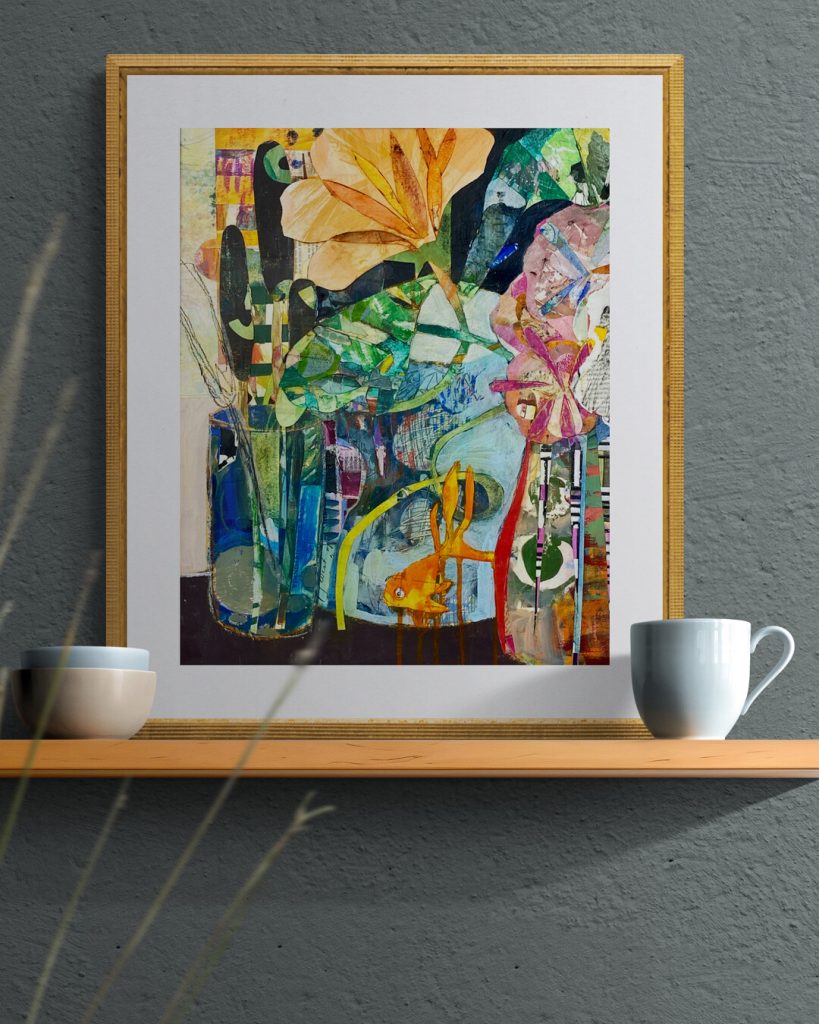
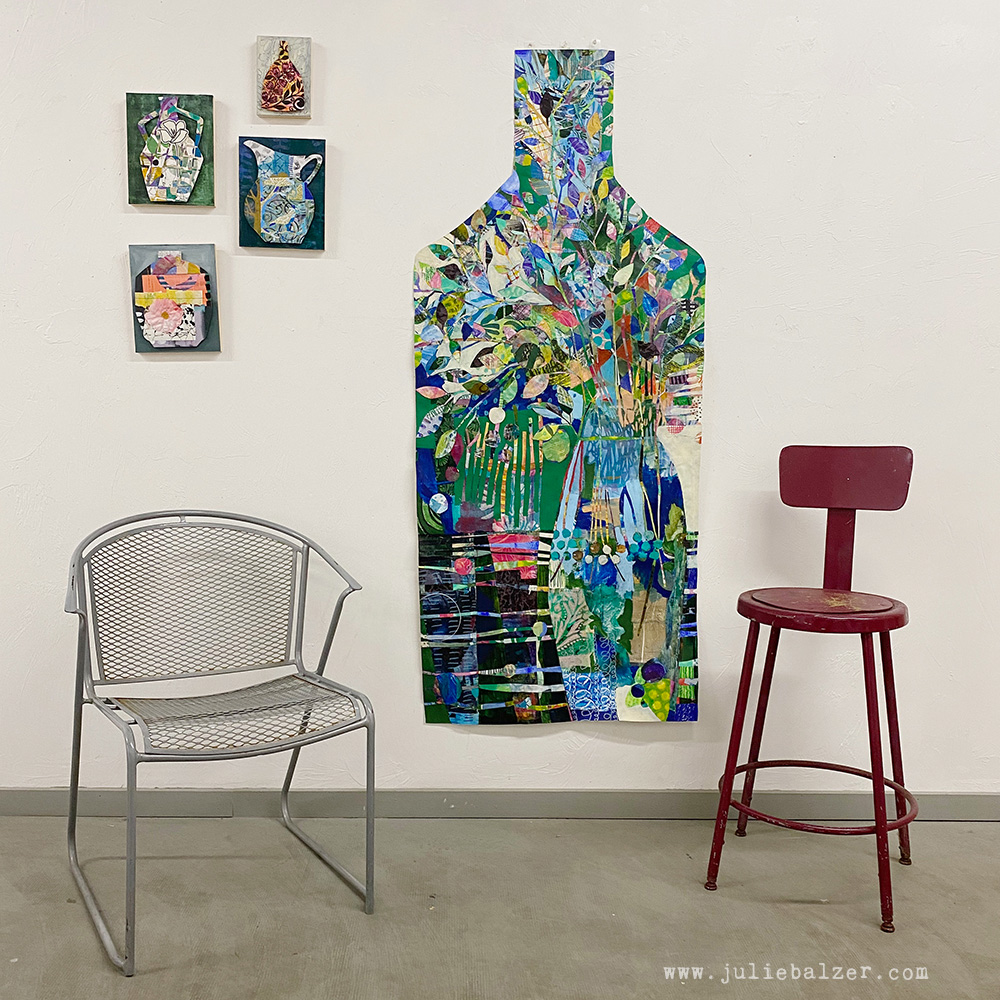
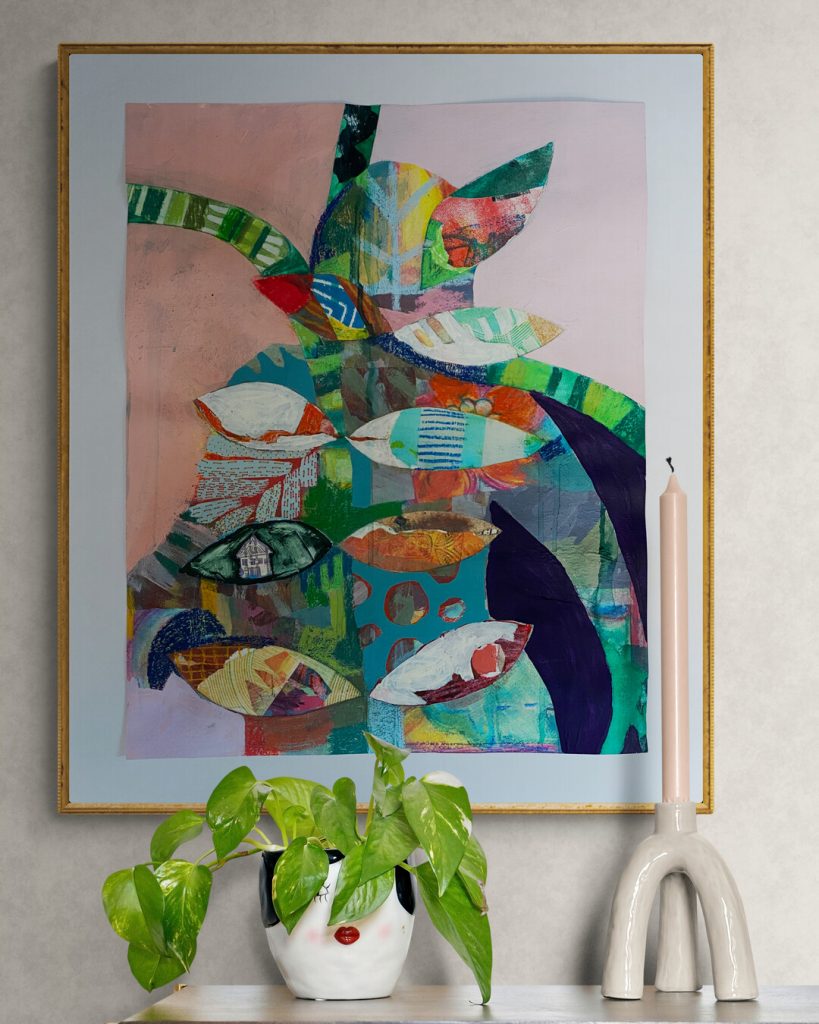
None of those preferences are universal. None of them are “correct.” But taken together, they are a huge part of what makes my work look like my work, a.k.a. my style.
How to Begin?
If you don’t know where to start and you want some guidance, start with a trusted teacher, YouTuber, blogger, friend, etc. If you don’t already have a trusted source of advice (and everyone should have a few trusted sources because one person — even the greatest mentor on earth — can’t be everything to you), test out what a few different artists recommend or teach and see what resonates with you.
- Do you think the way they think?
- Does their energy inspire or confuse or intimidate you?
- Do you speak the same artistic language?
- Do they push you to grow or just tow you along in a safe space?
- Are their preferences similar to your preferences?
Group classes with lots of teachers are a great way to test this out. Also, asking other artists you know for recommendations can be a good place to start.
Once you have your favorite trusted sources, it’s easier to take recommendations on supplies or techniques or ideas without fear. But, keep in mind that recommendations are always a starting point, not a final answer. You have to figure out your own personal preferences in order to get to your own personal art style.
How to Determine Your Personal Preferences
How do you figure out what your preferences actually are?! Well, there’s no magic trick and there’s certainly no short cut. You simply need to make lots and lots and lots of work. And pay attention. Attention is key. Without noticing and reflecting, you’re simply making stuff. You’re not actually learning and purposely moving in a certain direction. Reflection is key to growth. This is a hill I’m willing to die on.
Beyond making lots of finished artwork as a method for establishing your personal preferences, testing materials and techniques is worthwhile and important work. (There’s a whole section on this blog about exploring art supplies.)
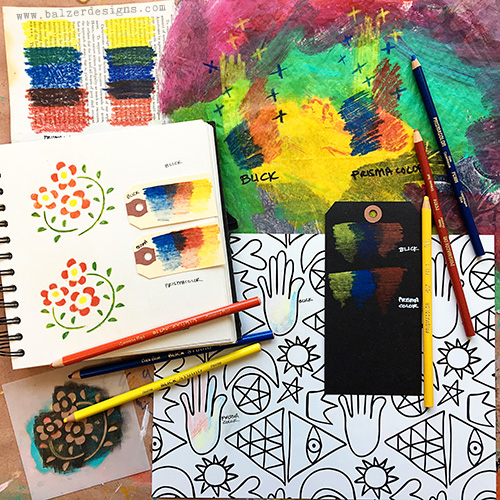
I think part of every art practice should be trying materials or techniques that other people swear by and discovering whether or not YOU like them. In other words, it requires gathering evidence. I think that’s one of the reasons I love swatching supplies, making charts, keeping studio notebooks, and repeating exercises.
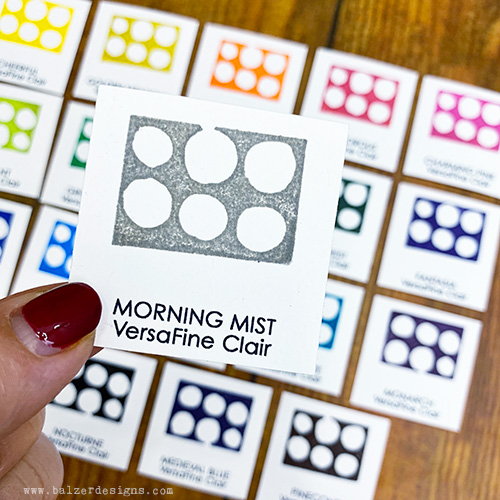
I’m not looking for the right answer. I’m collecting information. I’m trying to better understand my own reactions.
- Do I like this?
- Do I dislike it?
- Why?
The older I get, the less interested I am in finding the best way to do something and the more interested I am in finding the way that works for me. Not because my way is better, but because it’s the best way for me at this moment. The last part of that sentence is important: at this moment. Personal preferences can and do change and that’s great. The key is to pay attention and adapt and adjust with thought and care.
An Example: Using a Chart to Determine Personal Preference
In this video, I walk you through a simple collage paper chart and why it’s something every collage artist should make because it helps you to establish your personal preferences:
Final Thought
Personal preference is one of the most valuable things an art practice can teach us. Not how to follow directions. Not how to replicate someone else’s results. But how to develop enough self-awareness to make choices that reflect our own tastes, interests, and curiosities. Expressing your personal preferences when you make art is one of the major ways that you make your artwork authentically yours!
Thanks for stopping by.





Hi Julie,
Thank you for that great idea, I will definitely be doing that.
Yay! Glad to hear it!
Your wisdom so inspirational. Thank you Julie.
You’re too kind! Thank you!