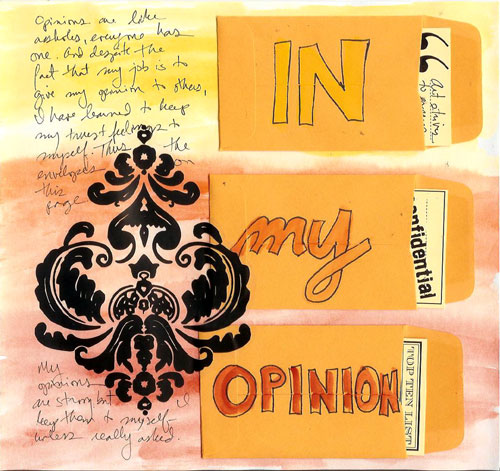
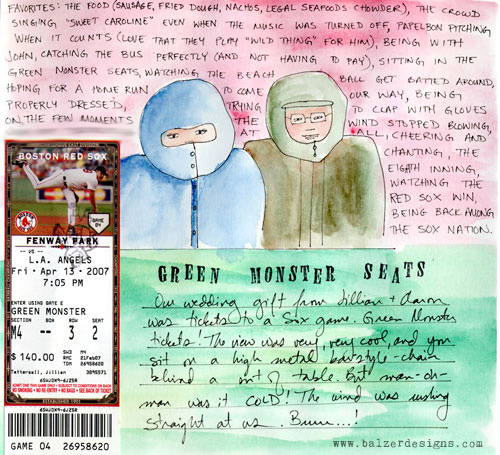
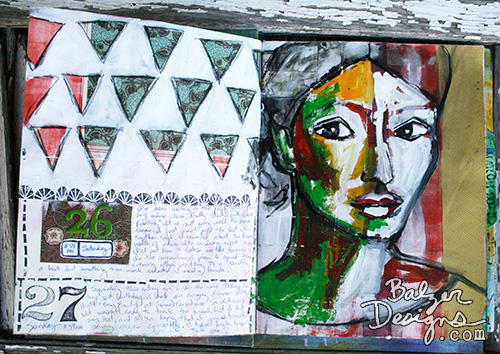
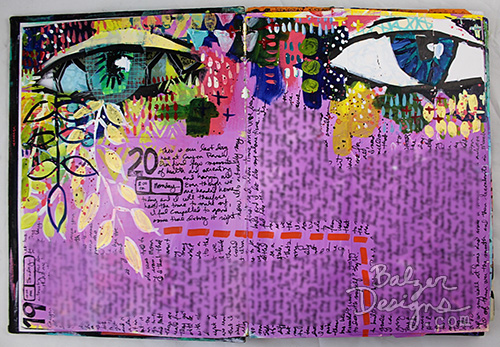
My art journal is a tool for artistic growth. And, man, has it helped me to grow over the years! Here are two pages from my 2007 art journal:
Five years after that, here are some art journal pages from 2012:
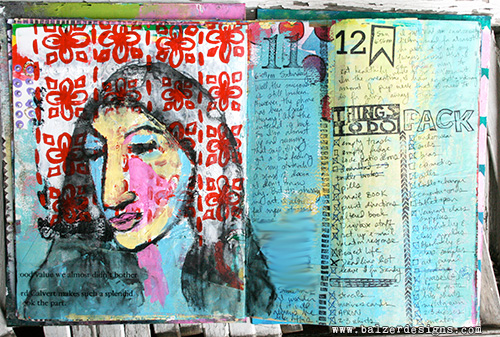
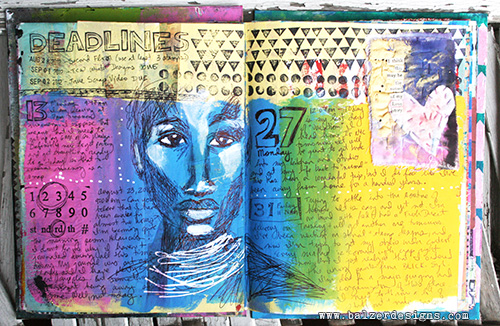
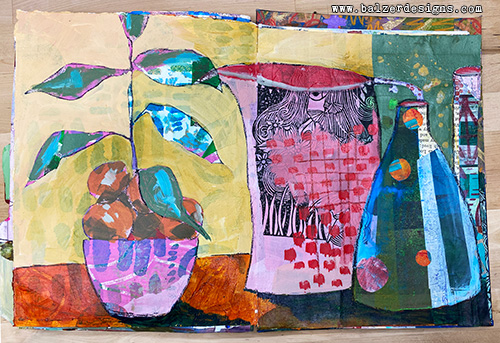
And another 5 years later, here are art journal pages from 2017:
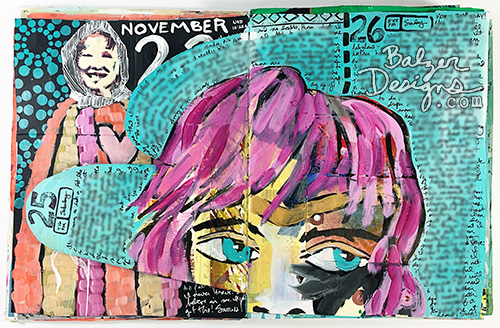

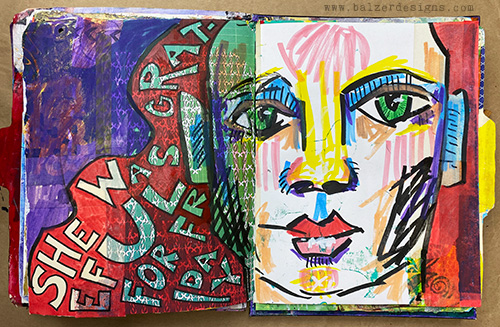
Add 5 more years and these are from 2022:
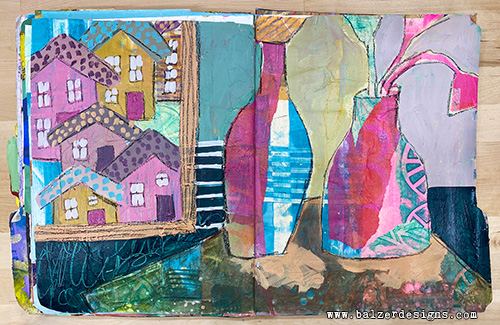
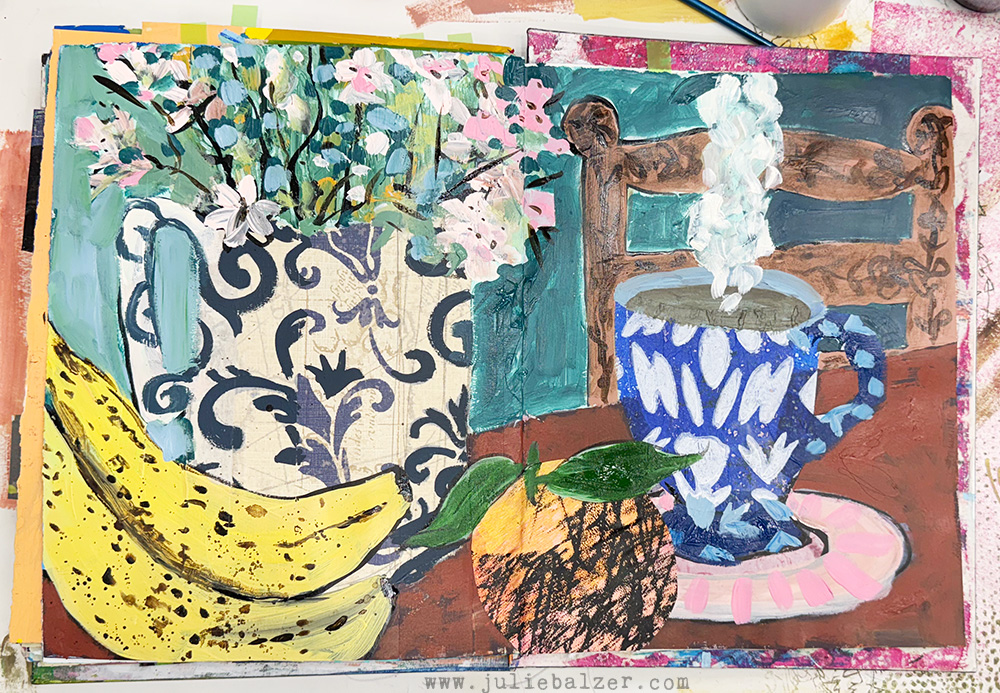
Which brings us to today (2026), a jump of four years:
Watch the Video
In this video I walk you through one of my biggest art journal learnings: Don’t ignore or cover up things you dislike in your art journal! Learn how to improve your work through trial and experimentation!
Art Journaling Learnings for You
Here’s a quick list of the major points I’m trying to communicate in the video:
- Your art journal is a low-stakes place to practice problem solving. A page that is not working is not a failure. It is an opportunity to practice the same decision-making skills you need for larger, more emotionally loaded artwork.
- Start by naming what is and is not working. Before fixing anything, pause and ask: What do I like? What do I not like? What’s working? What’s not working? That gives you a practical path forward instead of just a vague feeling of dissatisfaction.
- Solve one problem first. You do not have to fix everything at once. In the video, the first major problem is the empty space. Choosing one problem gives you an entry point.
- Use your art journal to take risks. Adding a made-up chair, working around the steam, adding unexpected bananas, changing the background, and trying awkward color choices are all examples of small risks I took in the video. Those are risks that teach you something.
- A rough middle stage is normal. The page does not have to look good from the beginning. In fact, the messy middle is often where the real work happens.
- Your taste develops through repetition. You learn what you like by making lots and lots of art, not by thinking your way into a style.
- Mistakes teach you how your supplies behave. Wet paint versus dry paint, dragging black into color, layering opaque paint, using collage, wiping paint away — these are all technical lessons that come from doing.
- Color is something to explore, not master once and for all. There is a distinction between colors you personally like and colors that actually work together in a piece.
- Reflection turns the page into a lesson. Writing in a studio notebook — or any kind of notebook — is key. Making the page is one kind of learning, but taking notes helps you carry those lessons into future work, which leads me to…
- You cannot learn from your art journal if you do not pay attention. The big artist takeaway is not “make pretty pages.” It is: make the work, notice what happens, reflect on it, and build a creative practice from those observations.
Let me know if you have takeaways of your own!
Want More Art Journaling?
Be sure to visit the art journaling archives of this blog for literally hundreds of art journaling related posts and tutorials. And I have several online art journaling classes that you can take!
Thanks for stopping by!
P.S. My unexpected takeaway from putting together this post: Who knew that I was such a pink-loving person?!