Today I want to talk about what it means to call a piece of art a “failure.” But, I’m getting ahead of myself. Let’s begin with a story.
A Scary Incident on the Highway
On Thursday, when I was driving home from jury duty (normally a 30-40 minute drive), my car gave out on the highway.
I was in the middle lane of a three-lane highway and the car suddenly started stuttering, fishtailing, and deaccelerating. I put on my hazards and did my best to get the car (now going much slower than the flow of traffic) off the road and onto the shoulder. All I could think to do once I was pulled over was call my husband. The second he answered I started crying and hyperventilating. I think the adrenaline just crashed over me.
The long and the short of the story is I called AAA, a state police officer helped me move the car off the highway, my husband came and found me, the car was towed to a service center, and everyone is safe and sound.
Whew.
But that night I was telling my Mom that I felt like a failure for falling to pieces and she stopped me right away. She told me that from her perspective I had handled myself well. I didn’t freak out when it happened. I safely navigated the car to the shoulder. I called for help. I dealt with the situation.
I thought about how differently she was looking at the situation and it gave me pause.
Do we automatically label ourselves as failures without considering the actual situation? By being too focused on how we are “supposed to do it?”
Failure in Art: It didn’t Turn Out How it Was “Supposed To”
Here is where this story becomes art related:
How many times have you deemed your artwork a failure because it didn’t turn out “how it was supposed to?”
I know that I do this all the time. There’s a picture in my head and I want it to match that picture. Most of the time, it’s an unreachable goal. Many years I wrote about letting go of expectations (not lowering, but letting go). And I stand by that idea.
I’ll explain in the next section.
Mindset Shift: Change the Question
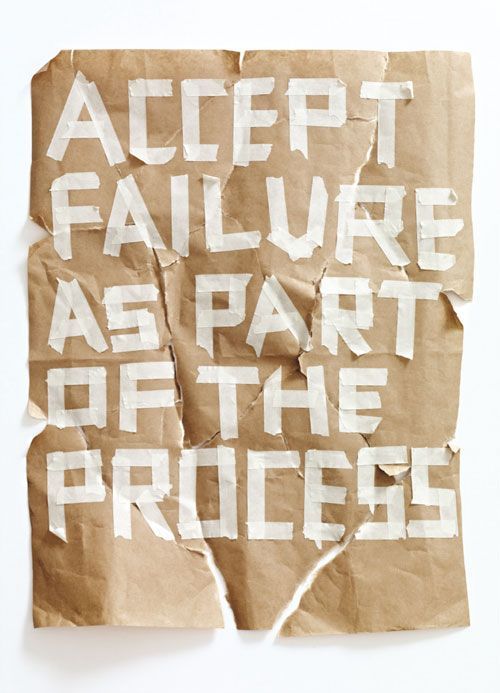
What if, instead of asking “Did this turn out how it was supposed to?” we asked:
- Did I stay with the process, even when it got uncomfortable?
- Did I make decisions and respond to what was happening in front of me?
- Did I learn something I can carry into the next piece?
Because just like pulling a failing car safely to the shoulder, art isn’t about executing perfectly under ideal conditions. It’s about navigating what’s actually happening.
How to Put This Advice into Practice
Here are a few things you can do to bring this notion into your studio this week:
- Redefine success. Success isn’t a perfect outcome, rather it’s staying engaged, solving problems, and seeing things through.
- Interrupt the “failure” story. When you catch yourself labeling a piece as a failure, pause and ask: What did I actually do well here? There is always something.
- Practice responding, not controlling. Instead of forcing your work to match a preconceived idea, treat it like a situation you’re navigating in real time.
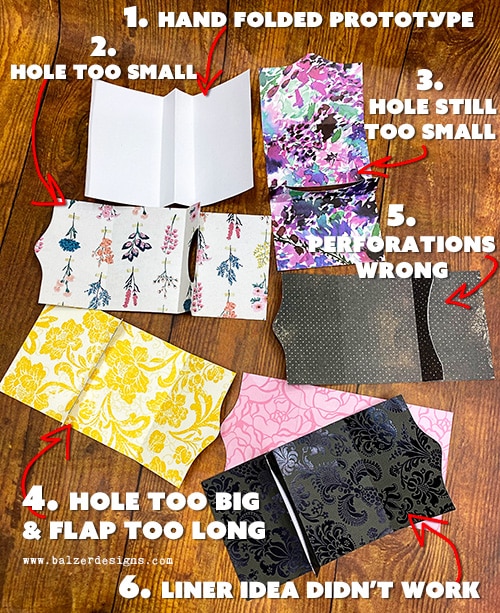
Your artwork isn’t a pass/fail test. It’s evidence that you showed up, paid attention, and kept going even when things didn’t go as planned. Yay for you! I think that perseverance is a really key quality to develop in yourself — both for art and personal reasons. So, this is me encouraging you to keep going! Keep trying! And have fun doing it!
Thanks for stopping by!