Receiving critique can be tough, but it’s essential to your creative growth. In this episode of the Adventures in Arting podcast, Mom and I explore why critique matters and how to handle it in a way that supports your art practice. Listen below, on YouTube, or anywhere you get podcasts.
In case you don’t have time to listen to our whole conversation, here are the basics: Putting your art into the world is a vulnerable act. It’s hard not to take critique personally. But growth doesn’t happen in a vacuum—it happens when we engage with feedback, even when it’s uncomfortable.

So let’s discuss why critique hurts, what’s going on in your brain when it does, and how to work through it with intention and curiosity.
What Is an Art Practice?
Think of your art practice as a structure—like a garden trellis—that helps your creativity flourish with direction.
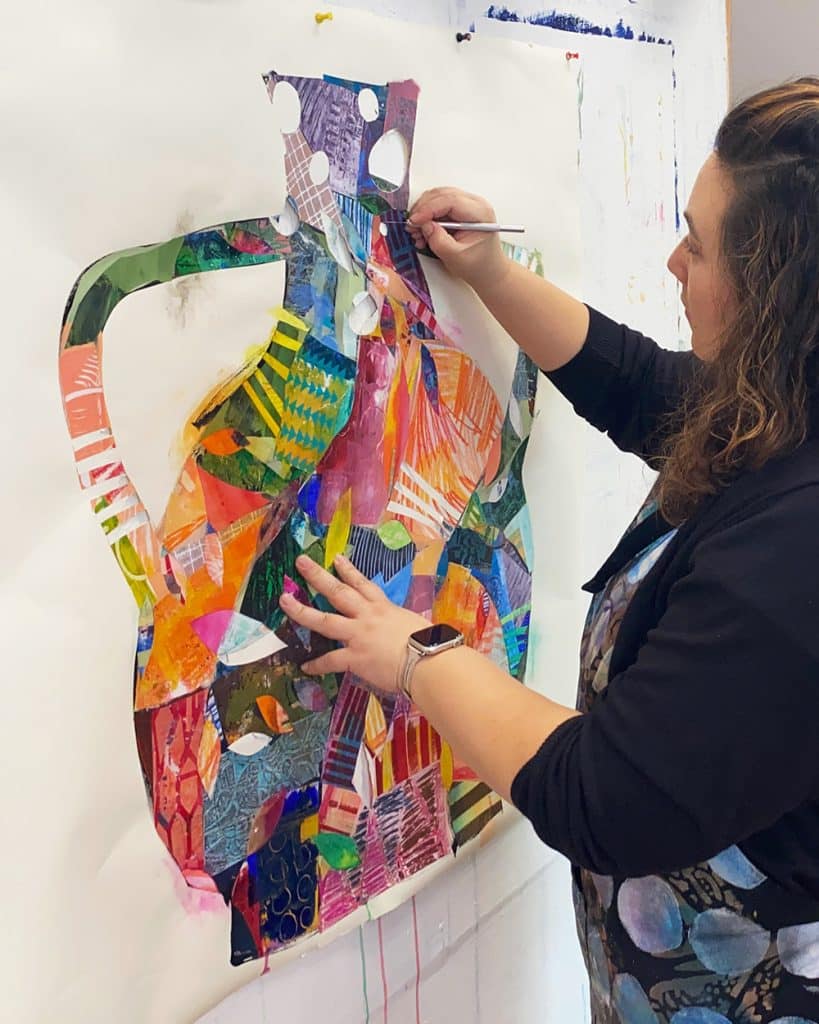
Whether you’re just beginning or you’ve been creating for decades, critique is one of the most effective ways to strengthen and grow your practice.
Why Critique Can Hurt
There are a few key reasons critique often feels painful:
- It’s Vulnerable: You’re sharing a part of yourself.
- It Hits Identity: Feedback can feel like a judgment on who you are.
- It Confirms Doubts: Sometimes critique echoes the fears you already have.
Even well-meant feedback can sting. That doesn’t mean it’s wrong—or that you shouldn’t listen.
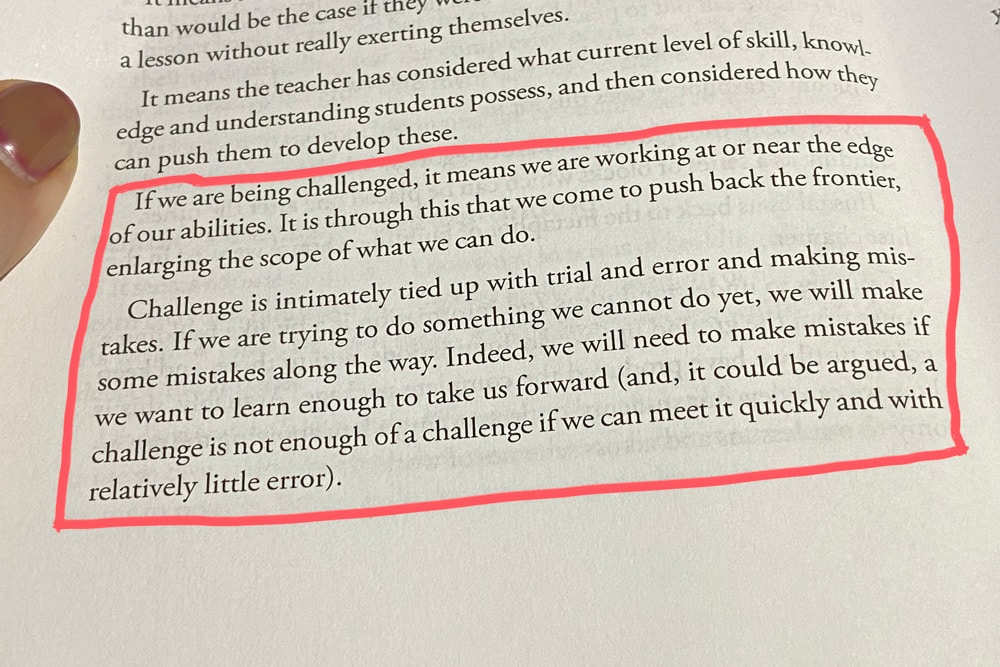
This quote is from Mike Gershon’s book:
Balancing Ego and Openness
Your ego wants to keep you safe. It resists change and craves approval. But growth comes from openness—from listening, reflecting, and adapting.
Ask yourself:
- What am I protecting?
- What am I open to hearing?
- What feedback could help me move forward?
Subjective vs. Objective Critique
Not all feedback is created equal:
- Subjective: “I would add more red.” (Personal taste)
- Objective: “The composition feels top-heavy.” (Grounded in design principles)
Both can be useful, but objective feedback often leads to the clearest next steps.
How to Handle Critique Productively
Here are a few things that help me:
- Pause Before Responding: Take a breath (or a moment with that metaphorical stone in your pocket).
- Separate Yourself from the Work: The critique is about the piece, not you.
- Look for Patterns: One comment might be personal preference. Repeated feedback is worth exploring.
- Write It Down: Sit with it, come back later, and see what still resonates.
- Ask Follow-Up Questions: Get specific—“What caught your eye first?” or “What feels unfinished?”
The Shopping Cart Analogy
Think of your art like a shopping cart. People will try to toss in their opinions, ideas, and critiques. But you’re the one deciding what makes it to the checkout.
If it doesn’t help you make the “meal” you’re cooking, leave it behind.
Final Takeaways
Critique is one of the fastest ways to improve as an artist—not just by fixing what’s “wrong,” but by pushing your work to new levels.
Remember:
- It matters because it helps you grow.
- It hurts because it’s real.
- You’re allowed to feel the sting—and still be open to learning.

I shared several examples over at My Art Practice of how critique has changed my work and what I learned. Here’s one example:
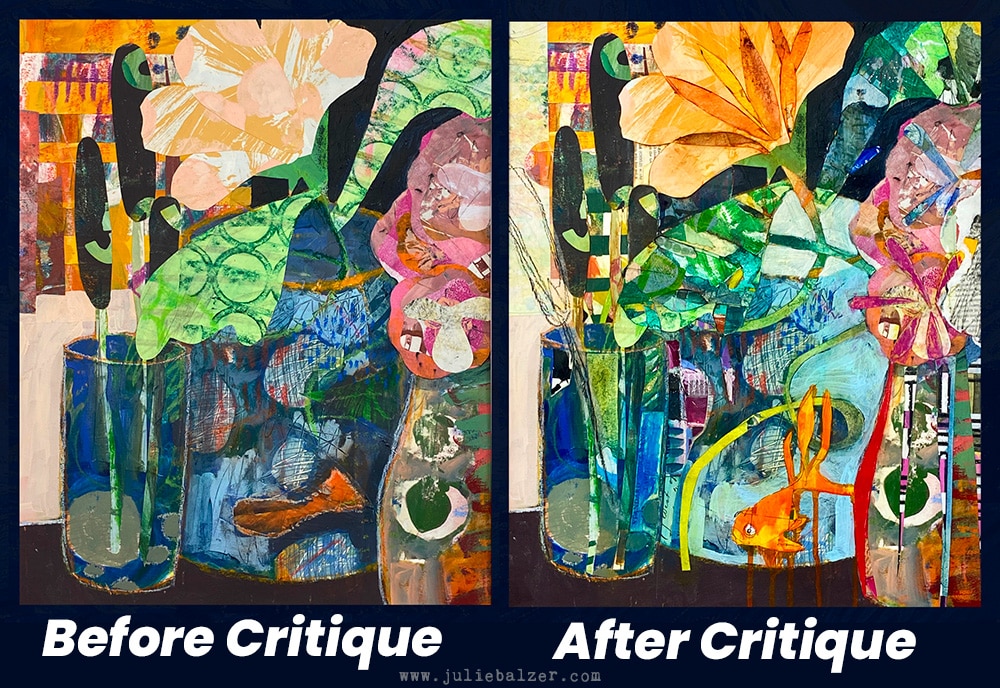
The critique I received really helped me to think about how to improve the piece and bring it closer to my vision of success.
I hope you’ll give the podcast a listen. You can also watch it on YouTube.
Thanks for stopping by!

